

Key Takeaways
Mobile Phone Lifecycle
The mobile phone lifecycle refers to the full journey a smartphone takes from initial design and manufacturing through retail sale, active use, software support, and eventual retirement via trade-in, resale, or recycling. Each stage affects how long a device stays useful and what it costs you over time. Understanding these stages helps you make smarter decisions about when to upgrade, what to pay, and how to responsibly retire an old device.
In the industry, 'end of life' (EOL) typically refers to the point at which a manufacturer stops providing software updates and security patches, after which a device may become vulnerable to unpatched exploits.
How Phones Are Designed and Built
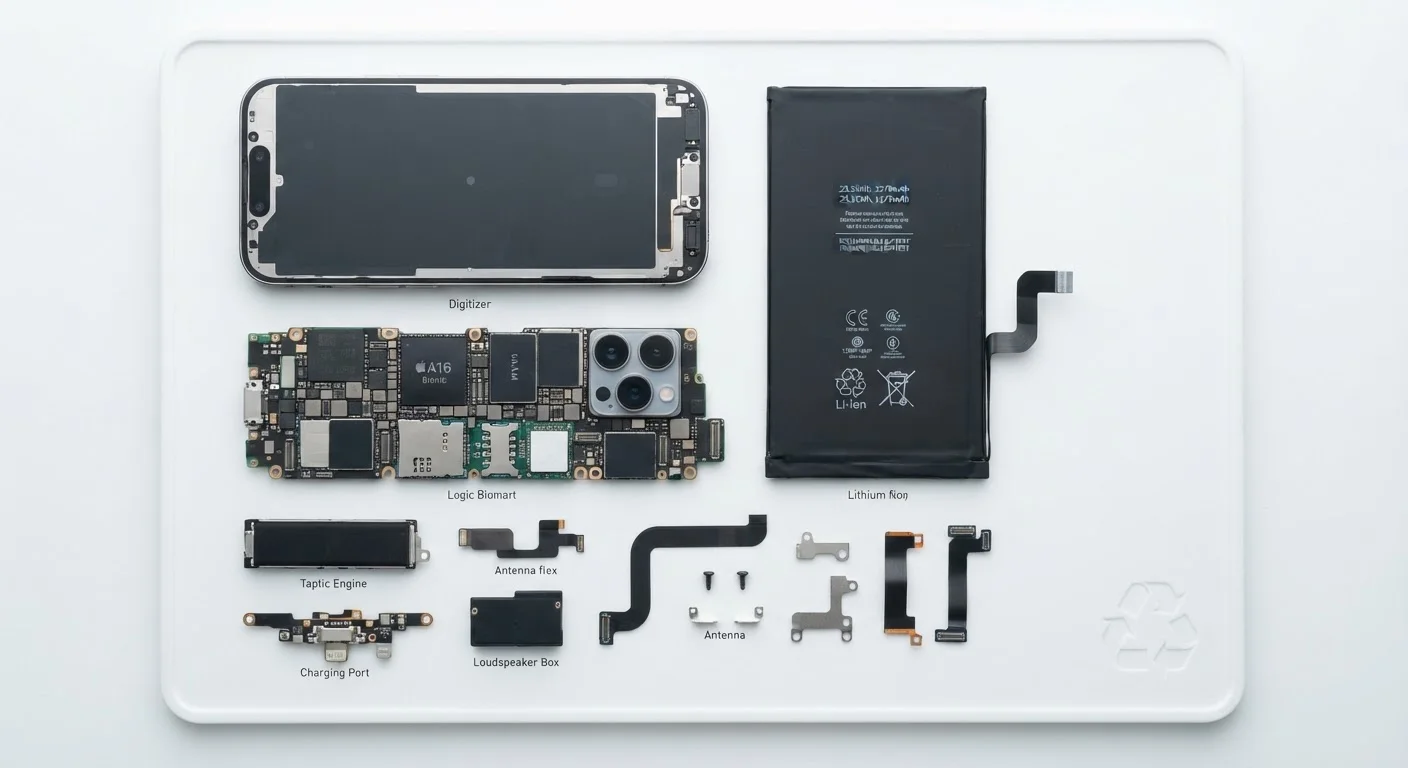
The lifecycle begins long before a phone reaches a store shelf. Manufacturers spend months - sometimes years - designing hardware components, sourcing materials, and testing prototypes. Key materials include rare earth elements for magnets and displays, lithium for batteries, and refined metals like copper, gold, and tungsten for circuitry.
Most smartphones are assembled in large-scale factories using a mix of automated processes and manual labor. Component suppliers are often separate companies spread across multiple countries, meaning the supply chain for a single device can span dozens of facilities globally.
Once assembled, devices go through quality testing and are packaged for distribution. At this stage, the phone is already loaded with its initial software build - the foundation that manufacturer and carrier updates will build on for years to come.
Supply Chain Complexity Affects Repairability
Because smartphone components come from many different manufacturers and regions, sourcing replacement parts can be difficult and expensive outside of official repair channels. This is one reason repairability scores - which measure how easy a device is to fix - have become a practical consideration for buyers who want to extend the active use phase of their phone.
The Retail and Activation Stage
When a phone reaches consumers, it enters the retail stage - sold through carrier stores, electronics retailers, or directly by manufacturers. This is where the lock status of a device often gets set. Carrier-sold phones may be locked to a specific network, limiting flexibility until an unlock is requested. For a clear breakdown of what that means practically, see our article on unlocked vs. carrier-locked phones.
Carrier upgrade programs, installment plans, and promotional pricing all shape the true cost of a new device. Understanding what you're agreeing to - whether it's a lease, a loan, or an outright purchase - is essential before signing up. Our complete guide to phones and plans walks through how to evaluate those options clearly.
Active Use: Software Updates and Longevity
The active use phase is the longest stage for most people. During this time, the phone receives operating system updates, security patches, and new features. These updates are what keep a device functional, secure, and compatible with evolving apps and services.
3-5 years
Typical manufacturer software support window
Support durations vary widely across manufacturers and device tiers; premium models often receive longer commitments than entry-level ones.
~18 months
Point of steepest trade-in value decline
Industry resale data consistently shows the sharpest drop in device value occurs in the first 12-18 months, accelerating when new models launch.
500-1,000
Charge cycles before noticeable battery capacity loss
Lithium-ion batteries are generally rated to retain around 80% of original capacity within this cycle range, after which degradation becomes more apparent.
Software support windows are one of the most important - and least marketed - factors in a phone's real-world lifespan. A device with only one year of updates remaining is functionally older than its hardware suggests. Once updates end, the phone may still work for basic tasks, but security risks accumulate and app compatibility can degrade over time.
Battery health is the other key variable. Lithium-ion batteries degrade with charge cycles, typically losing noticeable capacity after 2-3 years of regular use. Many phones allow battery replacement, which can meaningfully extend the active use phase.
Trade-In, Resale, and End of Life
Eventually, most phones are retired - either through trade-in programs, private resale, or by simply being set aside. Trade-in value is highest in the first 12-18 months and drops sharply after that, particularly when a successor model is announced. If recouping value matters to your device budget, timing a trade-in strategically can make a real difference - something worth factoring into your broader long-term personal budget.
Phones that are traded in are typically inspected, graded, and either refurbished for resale or sent for material recovery. Recycling is important: smartphones contain materials that are hazardous if landfilled - including lithium, lead solder, and beryllium - alongside recoverable metals with real material value.
Many manufacturers and carriers run take-back programs, and some municipalities have e-waste collection events. Before recycling, it is good practice to perform a factory reset and remove any SIM or storage cards to clear personal data from the device.