

Key Takeaways
Home Inspection
A home inspection is a professional, visual examination of a property's condition conducted by a licensed or certified inspector. It evaluates the major systems and structural components of a home - such as the roof, foundation, plumbing, and electrical - and produces a written report detailing findings. Buyers typically arrange and pay for an inspection after their offer is accepted, using the results to make informed decisions about the purchase.
Home inspectors assess observable, accessible conditions only; they do not perform invasive testing, move personal property, or provide cost estimates for repairs. Standards of practice vary by state and are often governed by bodies such as the American Society of Home Inspectors (ASHI) or InterNACHI.
What a Standard Home Inspection Covers
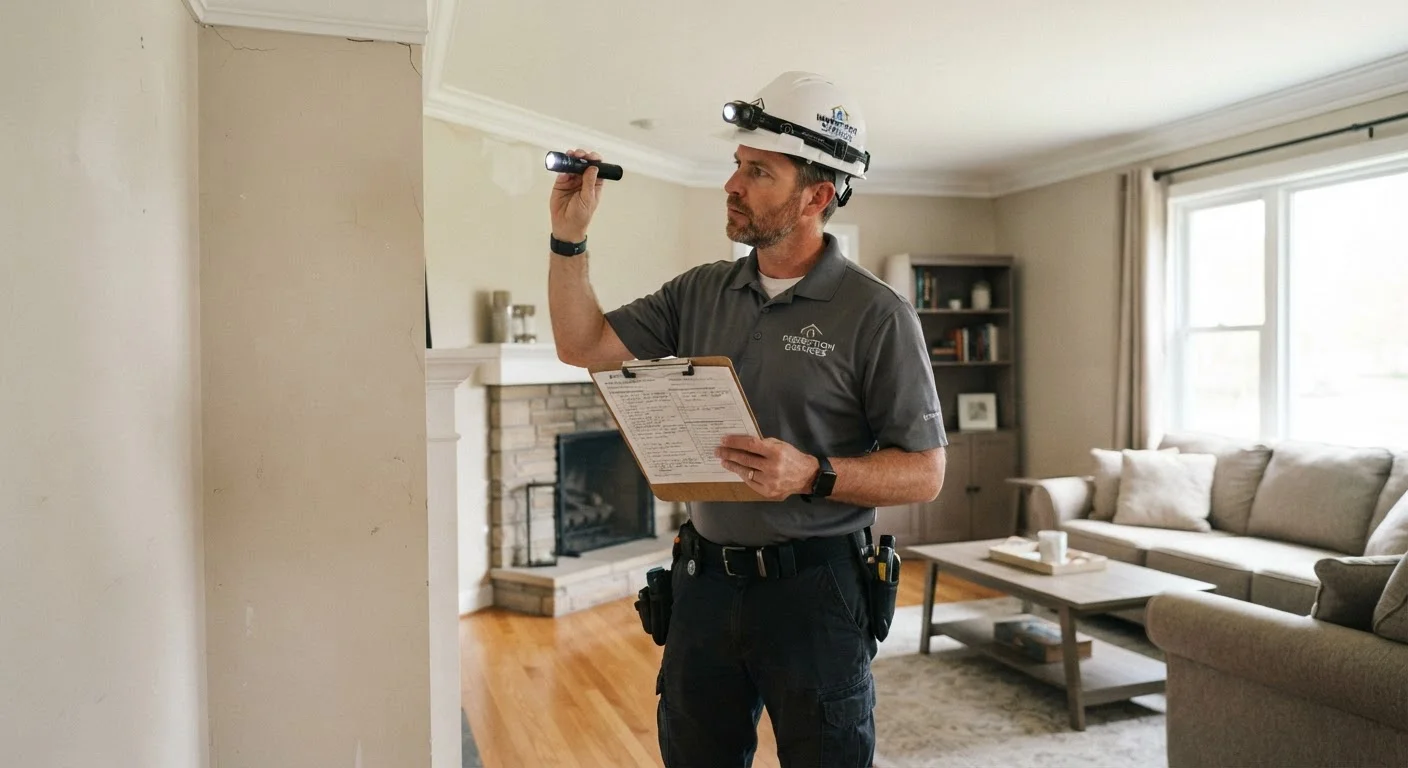
A licensed home inspector conducts a systematic, visual walkthrough of the property, documenting what they can see and access. The goal is to identify material defects - conditions that could affect the safety, habitability, or significant value of the home - rather than cosmetic issues.
A standard inspection typically covers:
- Roof: Shingles, flashing, gutters, downspouts, and visible signs of damage or wear
- Foundation and structure: Visible cracks, settling, and framing where accessible
- Exterior: Siding, grading, driveways, walkways, and drainage patterns
- Attic: Insulation, ventilation, and visible signs of leaks or pest activity
- Interior: Walls, ceilings, floors, windows, and doors
- Plumbing: Visible supply and drain lines, water heater, fixtures, and water pressure
- Electrical: Panel, wiring, outlets, and visible safety hazards
- HVAC: Heating and cooling systems, ductwork, and filters
- Basement or crawl space: Moisture, structural concerns, and insulation where accessible
Inspectors work from published standards of practice - most commonly those from ASHI or InterNACHI - which define minimum scope requirements. Understanding those standards helps buyers set realistic expectations before the inspection begins.
Attend the Inspection in Person
Buyers who walk through the property alongside the inspector gain far more than the written report alone. Inspectors can point to conditions in real time, explain their significance, and answer questions on the spot - context that rarely translates fully to paper. Plan to be present for the full inspection if at all possible.
What Falls Outside the Scope of a Standard Inspection
The limits of a home inspection matter just as much as what it covers. Inspectors work visually and non-invasively - they cannot open walls, move furniture, or access areas that are locked, blocked, or buried. Several common concerns require entirely separate specialist evaluations:
- Radon: This odorless radioactive gas requires dedicated test kits or electronic monitors and is not part of a standard inspection.
- Mold: Inspectors may note visible mold or conditions conducive to mold growth, but formal mold testing - including air sampling - is a separate service.
- Pests: Wood-destroying organisms such as termites require a separate pest inspection, often called a WDO (wood-destroying organism) report, performed by a licensed pest professional.
- Lead paint and asbestos: Common in homes built before 1978 and 1980 respectively, these hazards require lab testing and are outside standard inspection scope.
- Septic and well systems: Private water and waste systems need specialized assessments from qualified contractors.
- Chimneys: While an inspector may observe a chimney's exterior or firebox, a thorough evaluation requires a certified chimney sweep using a camera.
- Underground oil tanks or environmental contamination: These require separate environmental assessments.
If you're buying an older home or a property in a region where certain hazards are common - radon in the Midwest, for instance - budget for the appropriate supplemental inspections. See also our guide on permits, inspections, and building codes for context on how different types of inspections relate to code compliance.
How to Use the Inspection Report Strategically
The inspection report is a detailed document - often 30 to 60 pages - combining photos, descriptions, and condition ratings. Many first-time buyers find it alarming. That reaction is understandable but usually disproportionate: virtually every home will have findings, and most are routine maintenance items rather than deal-breakers.
When you receive the report, prioritize this way:
- Safety issues first: Electrical hazards, gas leaks, structural failure, and similar concerns warrant immediate attention and often direct negotiation.
- Major system conditions: A roof nearing end of life or an aging HVAC system has predictable replacement costs - useful data for renegotiating price or requesting a credit.
- Deferred maintenance: Peeling caulk, minor grading issues, and worn weatherstripping are normal in lived-in homes. Weigh these proportionally.
Buyers operating under an inspection contingency can request repairs, negotiate a price reduction, or ask the seller to provide a credit at closing. What they generally cannot do is use the report to renegotiate items that were disclosed prior to the offer or visible on a walk-through. A real estate attorney or experienced buyer's agent can help you frame requests appropriately.
For context on interpreting contractor costs once issues are identified, our guide to reading a home improvement estimate breaks down what repair quotes actually include. And if you want a broader view of what new owners often discover after closing, first-time buyer insights covers the lessons that tend to arrive too late.
This article is for general informational purposes only and does not constitute legal, financial, or professional real estate advice. Consult a licensed real estate professional, attorney, or qualified home inspector for guidance specific to your situation.
~86%
Buyers who request a home inspection
According to the National Association of Realtors' Profile of Home Buyers and Sellers, the large majority of buyers include an inspection as part of their purchase process.
$300-$500
Typical cost of a standard home inspection
Industry sources including HomeAdvisor and Angi consistently report this range for a single-family home, with variation based on size, age, and region.
2-4 hours
Average inspection duration
Most licensed inspectors estimate this timeframe for a standard single-family home; larger or older properties often require additional time.