
Key Takeaways
Lease Agreement
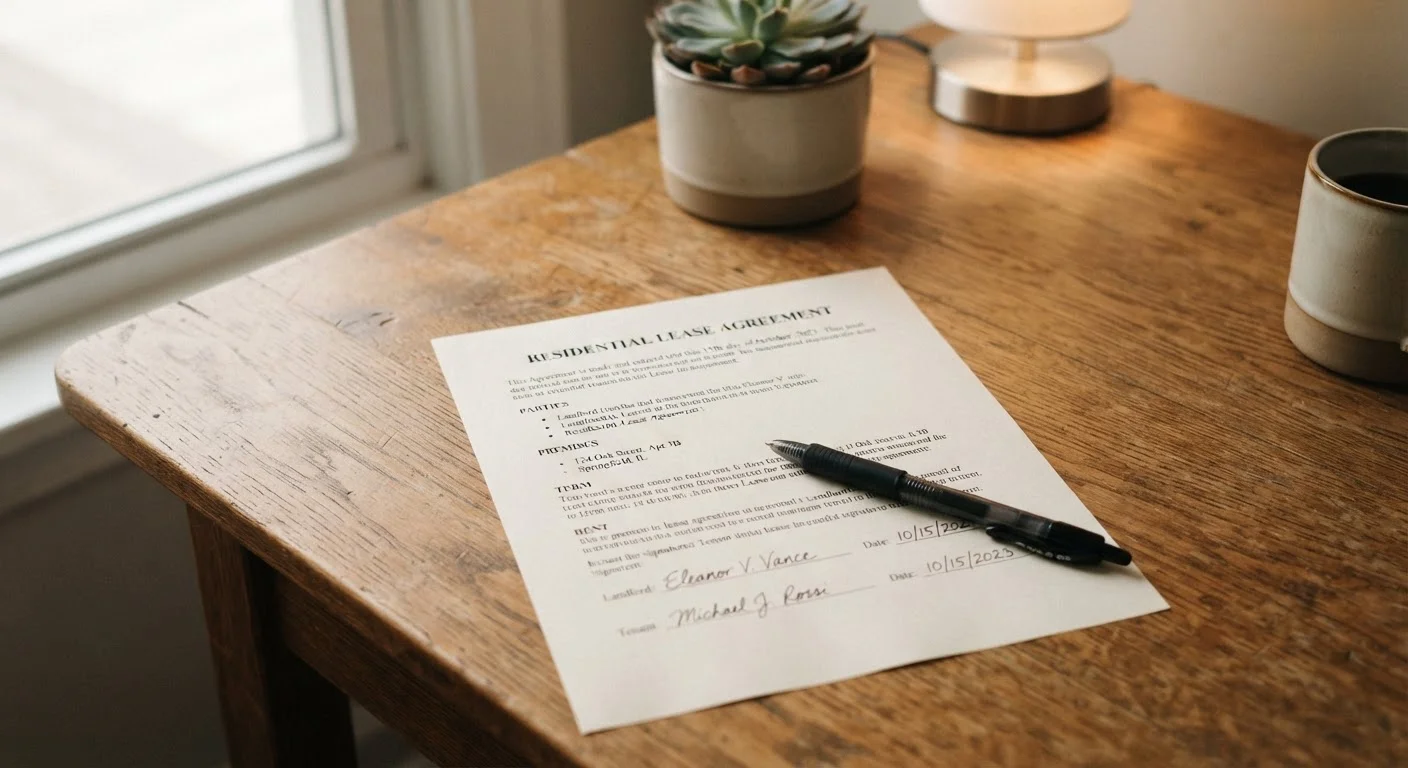
A lease agreement is a legally binding contract between a landlord and a tenant that outlines the terms of renting a property. It specifies the rent amount, the length of the tenancy, each party's responsibilities, and the rules that govern the rental. Once signed, both parties are generally obligated to follow its terms.
Lease agreements are governed by a combination of state landlord-tenant statutes and contract law; some clauses that appear in a lease may be legally unenforceable if they conflict with state or local law.
The Core Structure of a Residential Lease
Most residential leases follow a recognizable structure, even when the language varies between landlords and states. At its foundation, the document identifies the parties (landlord and tenant), the property address, the lease term, and the monthly rent. But the real substance lies in the clauses that follow.
Understanding the difference between a fixed-term lease - typically 12 months - and a month-to-month arrangement is a useful starting point. See our comparison of month-to-month vs. fixed-term leases for a deeper look at how each affects your flexibility and stability. Fixed-term leases lock in your rent and your commitment; month-to-month agreements offer more flexibility but often less security.
The lease will also define who is an authorized occupant, which matters when landlords later dispute guests or subletting. If you plan to have a roommate or a partner move in, that should be addressed before signing.
Clauses That Deserve Your Closest Attention
Several sections of a lease consistently cause confusion or disputes - and deserve careful reading before you put pen to paper.
Photograph Everything at Move-In
Before unpacking a single box, do a thorough walkthrough and photograph the entire unit - walls, floors, appliances, windows, and any existing damage. Date-stamp your photos and email them to your landlord immediately. This documentation is your strongest defense if a security deposit dispute arises at move-out.
Security Deposit Terms
The lease should state the deposit amount, what it can be used for (unpaid rent, damage beyond normal wear and tear), and the timeline for its return after move-out. Many states cap security deposits at one to two months' rent and require landlords to return them within a specific window - often 14 to 30 days. A lease that gives the landlord vague authority to withhold deposits is worth pushing back on.
Rent Payment and Late Fees
Look closely at when rent is due, the grace period (if any), and how late fees are calculated. Some leases charge a flat fee; others charge a daily rate. State law often caps how much a landlord can charge in late fees, so an unusually steep penalty clause may not be enforceable.
Maintenance and Repair Responsibilities
A lease typically divides responsibilities: landlords must maintain habitability (heat, plumbing, structural safety), while tenants handle minor upkeep like changing lightbulbs. Beware of leases that try to shift major repair responsibilities onto the tenant - this may conflict with your state's implied warranty of habitability.
Early Termination Clause
Life circumstances change. The early termination clause defines what happens if you need to leave before the lease ends. Some leases charge a set penalty; others require you to pay rent until the unit is re-rented. Understanding this upfront can save you from a financial shock later.
Provisions That Are Sometimes Unenforceable
Not everything written into a lease is legally valid. Landlords can include clauses, intentionally or not, that violate state statute. Common examples include blanket waiver of the landlord's duty to maintain the property, prohibitions on a tenant calling code enforcement, and excessive penalties that exceed statutory limits.
If you're uncertain whether a clause is enforceable, a local tenant rights organization or housing attorney can provide guidance specific to your state. Signing a lease does not mean you've waived your legal protections - courts in most states will void clauses that contradict landlord-tenant law, even if both parties agreed to them.
State Law Often Supersedes Lease Language
Landlord-tenant law varies significantly from state to state and even city to city. A clause in your lease may appear authoritative but still be unenforceable if it contradicts local statute. Resources like your state attorney general's office or local legal aid organizations can help clarify your rights at no cost.
Just as buyers scrutinize purchase contracts closely - a topic covered in our guide to reading a purchase agreement - renters benefit from the same disciplined approach to their lease.
Before You Sign: Practical Steps
Reading a lease thoroughly before signing is the single most important thing a renter can do. Here are steps that make that process more effective:
- Read every page, including addenda for pets, parking, or utilities - these carry equal legal weight.
- Ask questions in writing. If a landlord clarifies something verbally, request it in a signed addendum.
- Note move-in condition. Many leases include a move-in checklist; complete it thoroughly with photos to protect your deposit at move-out.
- Negotiate what you can. Lease terms are not always fixed. Landlords may agree to modify pet restrictions, painting permissions, or lease-break terms before signing.
This article is for general informational purposes only and does not constitute legal advice. For questions about your specific lease or tenant rights, consult a qualified attorney or your state's tenant rights organization.