

Key Takeaways
Why Budgeting Before You Book Changes Everything
Most travel stress doesn't start at the airport - it starts weeks or months earlier, when travelers book trips based on excitement rather than a clear picture of total cost. By the time hidden fees, daily spending, and incidentals add up, the trip that seemed affordable can quietly exceed what's actually sustainable.
Building a budget before any money is committed flips this dynamic. You make decisions with full information, which means fewer compromises mid-trip and less financial recovery time once you're home. The process doesn't need to be complicated. What it does need to be is complete - covering every spending category rather than just the most obvious ones.
For travelers new to this kind of planning, the end-to-end guide to affordable travel offers helpful context on how budgeting fits into the broader trip-planning process.
Budget First, Then Book
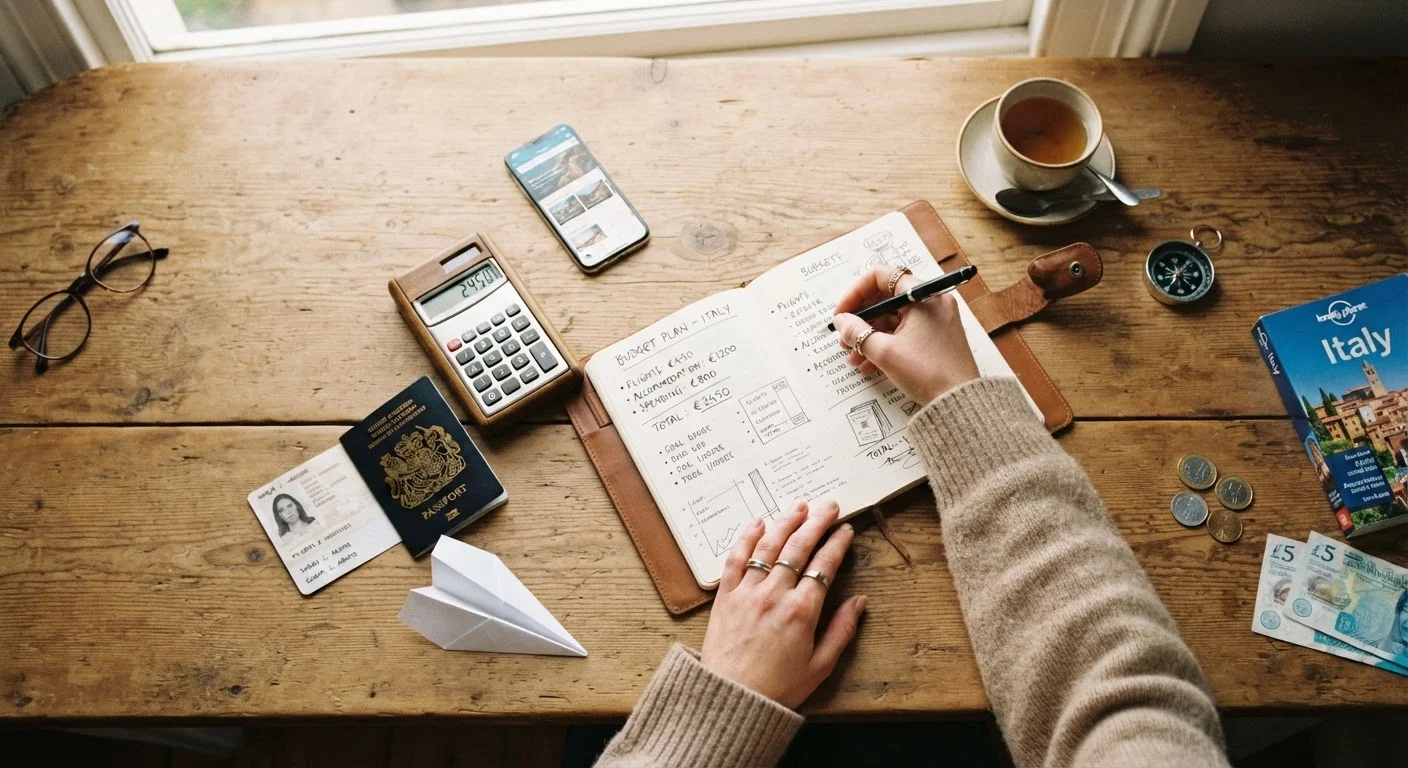
Resist the urge to book flights or hotels before you've completed your budget. Once money is committed, it's far harder to course-correct if the full trip cost exceeds what you can comfortably afford. A completed budget gives you a spending ceiling that guides every booking decision that follows.
What to Do After Your Budget Is Complete
Once your pre-booking budget is finalized, use it actively. As you confirm each booking, update your estimates with actual costs so you always know your real remaining balance. If a confirmed cost comes in higher than estimated, adjust another category rather than simply absorbing the overrun and hoping the rest of the trip stays on track.
Consider whether travel insurance makes sense for your trip - particularly for non-refundable bookings. What travel insurance actually covers explains what policies typically include so you can make an informed decision rather than buying coverage reflexively.
Finally, tracking your actual daily spending during the trip - even loosely - helps you stay within your budget and builds useful data for planning future trips. The habit of tracking where your money goes is just as valuable in a travel context as it is at home.
Use a Simple Spreadsheet to Stay Organized
A basic spreadsheet with one row per cost category makes it easy to total estimated expenses, compare them to your ceiling, and adjust before you book. Color-code confirmed costs versus estimates so you always know where your numbers are firm versus approximate. This habit also helps you track actual spending during the trip.
This article provides general travel planning information for educational purposes. Costs, fees, and conditions vary by destination and travel period - always verify current prices with official sources before booking.