

Key Takeaways
Sinking Fund
A sinking fund is a dedicated savings category where you set aside a small, fixed amount each month to cover a known future expense. Unlike an emergency fund, it targets costs you can anticipate - such as car registration, holiday gifts, or an annual insurance premium. When the expense arrives, the money is already waiting, so your regular budget doesn't take a hit.
In personal finance, sinking funds are sometimes held as separate sub-accounts or 'buckets' within a high-yield savings account, each labeled for its purpose. The term originates in corporate accounting, where companies set aside funds to retire debt obligations over time.
Why Your Budget Keeps Getting Ambushed
You set a careful monthly budget, stay on track for a few weeks - and then a $600 car repair appears, or the annual insurance bill lands, or the holiday season arrives. Suddenly the budget is blown, and it feels like something went wrong. In most cases, nothing went wrong. These expenses were always coming. The budget just never made room for them.
This is the core problem sinking funds solve. Most budgets are built around monthly recurring costs - rent, utilities, groceries - while irregular but entirely predictable expenses get ignored until they land. Sinking funds change that by treating future known costs as ongoing monthly obligations, spreading the financial impact across many months instead of absorbing it all at once.
For anyone trying to build a budget that holds over time, sinking funds are one of the most practical tools available. They don't require a windfall or a pay raise - just the discipline to set aside a small, deliberate amount each month.
How Sinking Funds Actually Work
The mechanics are straightforward. Identify a future expense, estimate its cost, determine when you'll need the money, and divide the total by the number of months remaining. That quotient becomes your monthly sinking fund contribution.
For example: if your vehicle registration costs $180 and is due in six months, you set aside $30 per month. When the bill arrives, the money is ready. Your regular monthly budget never feels the impact.
1 in 3
Americans who lack funds for an unexpected $400 expense
According to Federal Reserve survey data on economic well-being of U.S. households, a significant share of adults report they would struggle to cover an unexpected moderate expense without borrowing.
$1,500+
Typical annual cost of irregular household expenses
When vehicle maintenance, home repairs, annual insurance premiums, and seasonal costs are totaled, most households face well over $1,000 annually in non-monthly predictable expenses.
$125/mo
Average monthly contribution needed to cover common irregular costs
Spreading $1,500 in anticipated irregular annual expenses across 12 months requires roughly $125 per month in sinking fund contributions, an amount many households can work toward incrementally.
This approach works for any expense that is both predictable in nature and irregular in timing. Common sinking fund categories include:
- Vehicle maintenance and registration
- Annual or semi-annual insurance premiums
- Holiday gifts and travel
- Home repairs and appliances
- Medical deductibles or dental work
- Back-to-school costs
- Subscription renewals
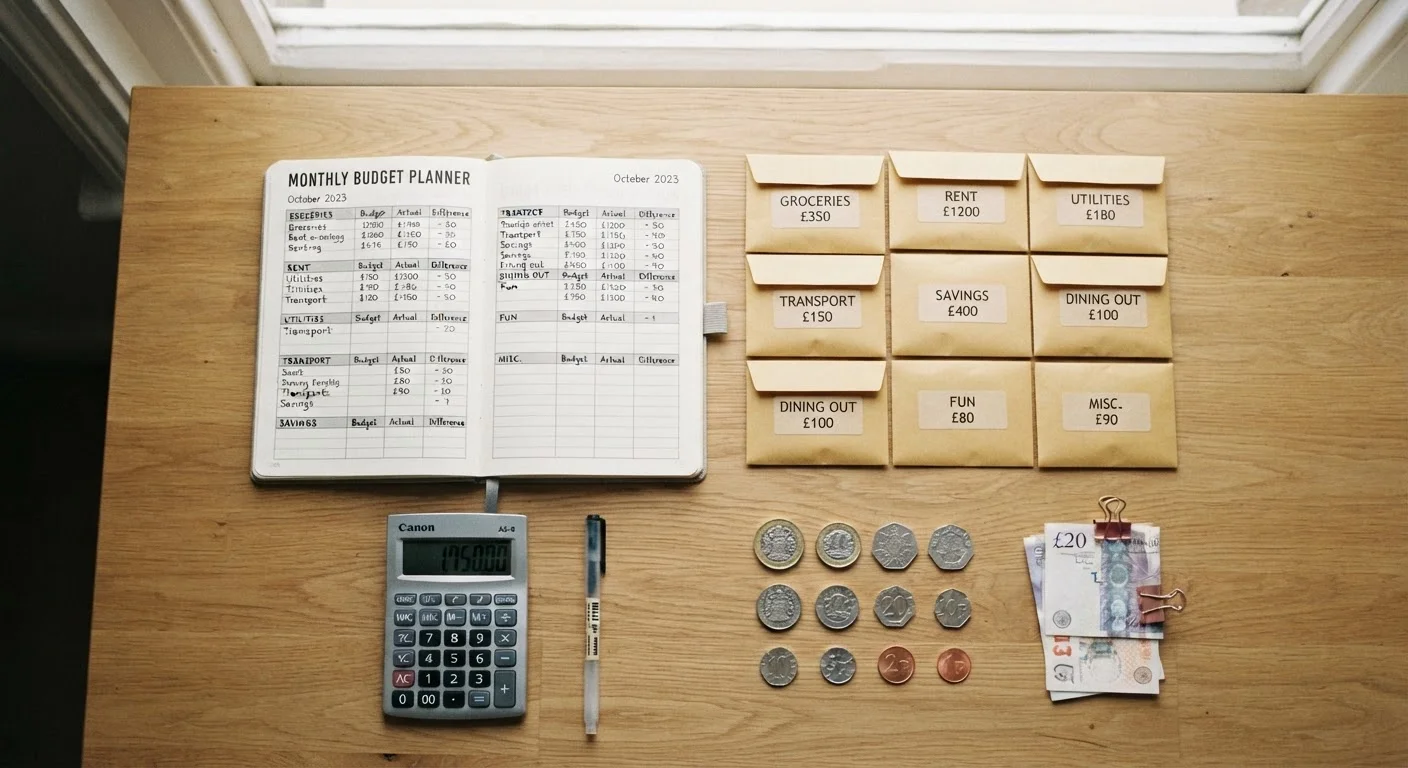
Each fund is separate - either as a labeled sub-account in a savings account or tracked as a distinct category in budgeting software. The separation matters because it prevents you from mentally pooling the money and spending it on something else.
The pay yourself first approach pairs naturally with sinking funds: automating your contributions at the start of each pay period ensures the money moves before spending decisions are made.
Sinking Funds vs. Emergency Funds: Not the Same Thing
A common mistake is treating these two tools as interchangeable. They are not. A sinking fund is for expenses you can see coming - costs that are irregular in timing but predictable in nature. An emergency fund is reserved for genuine financial shocks: sudden job loss, an unexpected medical event, a major unplanned repair.
Blurring the boundary between them creates problems. If you drain your emergency fund to cover holiday spending - which was foreseeable - you leave yourself exposed to a real emergency with no cushion. Conversely, if you're constantly dipping into sinking fund money for unrelated emergencies, your sinking funds never reach their targets.
For a clear breakdown of how these two types of savings interact with each other and with longer-term savings goals, see Emergency Funds, Sinking Funds, and Savings Goals: What Each One Does. And if you're still building your emergency cushion, this guide on sizing your emergency fund walks through the variables that affect the right target for your situation.
Both tools belong in a complete financial plan. They serve distinct functions and are most effective when kept separate.
Getting Started Without Overwhelming Yourself
The most common barrier to starting sinking funds is the feeling that you need to fund every category immediately. You don't. Start with one or two expenses that have caused the most budget disruption in the past year. Build the habit, then expand.
Start With Your Biggest Budget Disruptors
Before creating multiple sinking funds, review the past year and identify the two or three irregular expenses that caused the most financial stress. Focus your first contributions there. A targeted approach builds the habit without spreading your budget too thin while you're getting started.
Look back at your last 12 months of spending and identify every cost that arrived outside your normal monthly rhythm. Total those expenses and divide by 12. That figure represents how much your budget needs each month - spread evenly - to handle irregular costs without stress.
If you're simultaneously working to pay down debt, sinking funds still make sense. Without them, irregular expenses tend to land on credit cards, adding new charges to the balance you're trying to reduce. Even a modest sinking fund contribution each month can protect your debt payoff momentum from being interrupted by predictable costs. For broader guidance on planning ahead financially, including balancing savings against debt, the planning-ahead hub covers foundational concepts worth reviewing.
This article is for general informational and educational purposes only and does not constitute personalized financial advice. Consult a qualified financial professional for guidance tailored to your individual circumstances.