

Key Takeaways
Why Maintenance Habits Matter More Than Age
Most central HVAC systems are designed to last 15-20 years, but that lifespan is not guaranteed. Two identical units installed the same year can end up with very different outcomes depending almost entirely on how consistently they were maintained. Neglected systems work harder, run hotter, and cycle more frequently - all of which accelerate wear on compressors, motors, and heat exchangers.
The good news is that the most effective HVAC maintenance tasks are neither expensive nor technically demanding. Most are things any homeowner can handle on a regular schedule. For a broader look at home upkeep habits that protect your investment, see our introduction to routine home maintenance.
Core HVAC Upkeep Practices That Actually Work
The following practices are grounded in standard HVAC industry guidance and address the most common causes of premature system failure.
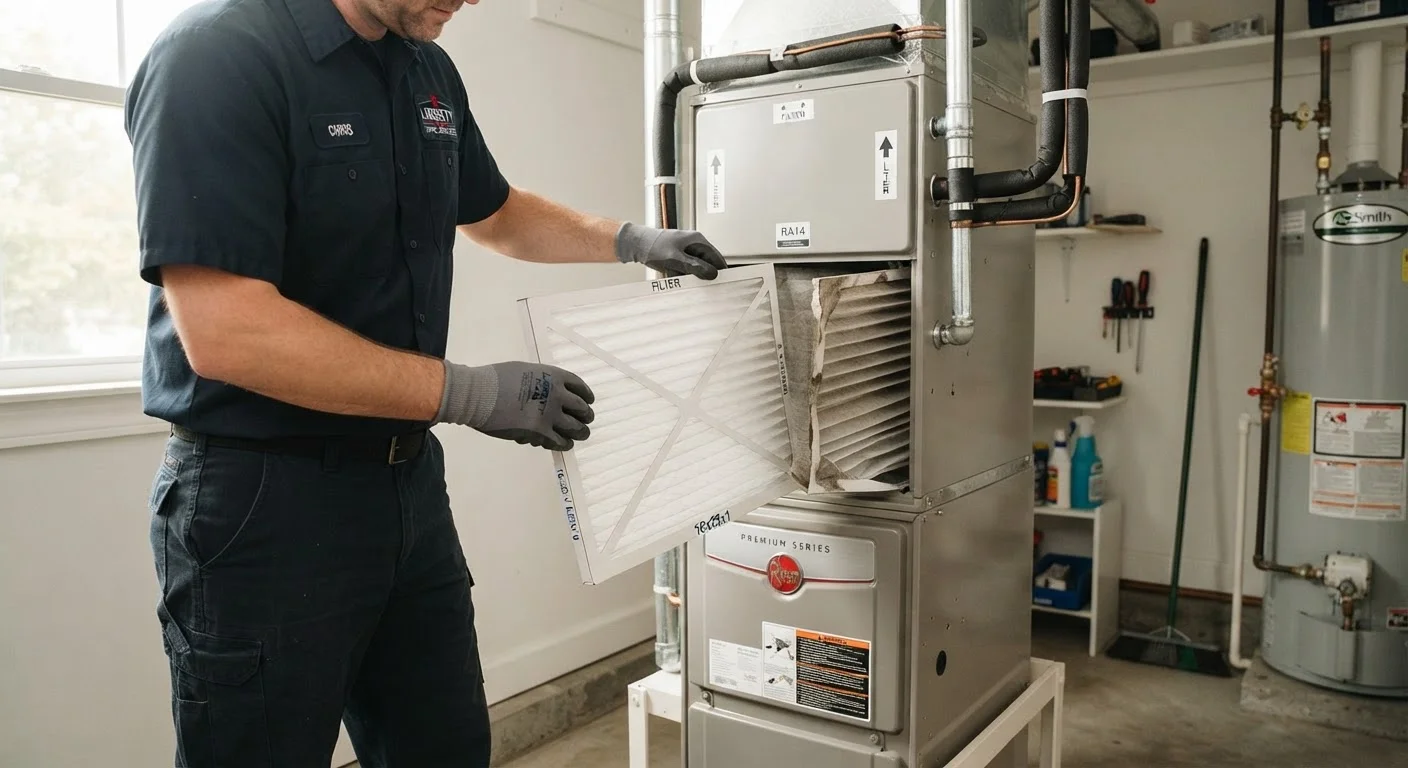
Replace air filters on a consistent schedule - every 1 to 3 months depending on household conditions.
A clogged filter forces the blower motor to work harder to pull air through the system, increasing energy consumption and putting mechanical stress on components. Over time, restricted airflow can also cause the evaporator coil to ice over, leading to compressor damage. Homes with pets, allergy sufferers, or dusty environments typically need more frequent changes.
Clean the outdoor condenser coils at least once a year.
The condenser coil releases heat from your home to the outside air. When it's coated in dirt, cottonwood, or grass clippings, heat transfer is impaired - the compressor has to run longer and hotter to do the same job. This shortens compressor life, which is often the most expensive single component in a central AC system.
Inspect and seal accessible duct leaks using mastic sealant or metal-backed tape.
The US Department of Energy has noted that leaky ducts can lose a significant portion of conditioned air before it reaches living spaces, forcing the system to run longer cycles to meet the thermostat setpoint. This increases runtime hours on every mechanical component. Sealing duct joints in unconditioned spaces like attics or crawlspaces addresses the worst offenders.
Keep at least two feet of clearance around the outdoor condenser unit at all times.
Shrubs, mulch piles, and stored items pressed against the condenser restrict the airflow the unit needs to exhaust heat. Even partial obstruction raises the operating temperature of the compressor and reduces efficiency. This is a maintenance habit that requires only seasonal awareness, not tools.
Schedule a professional HVAC tune-up annually - ideally in early spring for cooling systems and fall for heating.
A trained technician can identify refrigerant undercharge, failing capacitors, worn contactors, and cracked heat exchangers well before they cause a breakdown. Catching these issues during a routine visit is almost always less expensive than emergency repairs. Annual servicing also keeps manufacturer warranties valid for systems still under coverage.
Use a programmable or smart thermostat to reduce unnecessary system runtime.
Every hour an HVAC system runs adds to the cumulative wear on its compressor, blower motor, and electrical controls. Allowing the home to drift toward a less conditioned temperature during hours when no one is home - and ramping back to comfort before occupants return - meaningfully reduces total runtime over a year. Fewer operating hours directly correlates with longer component life.
Quick Wins You Can Do Today
Not every maintenance habit requires planning ahead or scheduling a service call. Several high-impact actions can be completed in under an hour with no special tools.
Seasonal Timing Makes a Difference
Timing your maintenance around the seasons - rather than waiting for problems to appear - keeps your system ready before it faces peak demand. Spring is the right time to inspect and service the air conditioning side before summer heat arrives. Fall is ideal for checking the heating components before the first cold snap.
A structured seasonal schedule also helps you avoid the most common mistake homeowners make: reactive maintenance. Waiting until a system fails typically means paying emergency service rates and potentially replacing components that could have been saved. Our year-round home maintenance calendar can help you map out these tasks month by month.
Build HVAC Tasks Into Your Seasonal Routine
Linking HVAC maintenance to seasonal events you already observe - like daylight saving time changes or holiday weekends - makes it far easier to stay consistent. Many homeowners change smoke detector batteries at daylight saving time; adding a filter check to the same occasion costs nothing and builds a reliable habit. Consistency over years is what actually protects your system.
When to Call a Licensed HVAC Technician
Some maintenance tasks are genuinely DIY-friendly - filter changes, clearing debris from the condenser, replacing a thermostat battery. Others require a licensed professional with specialized equipment. Refrigerant handling, for example, is federally regulated in the US and must be performed by a certified technician. Electrical component testing, heat exchanger inspection, and gas furnace servicing also fall squarely in the professional category.
Plan for at least one professional tune-up annually. Technicians use calibrated instruments to measure airflow, check refrigerant charge, test capacitors and contactors, and inspect flue venting - tasks that aren't practical to DIY. Think of this similarly to how consistent, targeted care keeps older mechanical systems running; the same principle applies whether you're looking after a high-mileage vehicle or a hard-working HVAC system.