

Key Takeaways
Start here
Why Routine Maintenance Matters
Next
The Core Systems Every Homeowner Should Know
Then
Monthly and Seasonal Tasks
When you're ready
When to DIY and When to Call a Pro
Put it together
Building Your Maintenance Habit
Why Routine Maintenance Matters
Owning a home is fundamentally different from renting one. When something breaks, the responsibility - and the bill - lands squarely with you. That shift can feel daunting at first, but it comes with an important upside: you get to stay ahead of problems rather than waiting for a landlord who may or may not respond promptly.
Routine maintenance is how you protect that investment. A small crack in caulking around a window, left unaddressed, can eventually allow water intrusion that damages framing or insulation. A clogged dryer vent doesn't just reduce efficiency - it's a documented fire hazard. These are not worst-case scenarios invented to alarm you; they're the kind of predictable, preventable problems that home maintenance is specifically designed to head off.
The home maintenance mindset isn't about perfection - it's about consistency. Homeowners who check in on their systems regularly catch issues early, when they're still inexpensive to fix. For a fuller picture of what tends to slip through the cracks, see what new homeowners often get wrong about upkeep.
The Core Systems Every Homeowner Should Know
Your home is essentially a collection of interconnected systems. Understanding what each one does - and what it needs - is the foundation of confident homeownership.
HVAC
Stands for Heating, Ventilation, and Air Conditioning - the system that heats, cools, and circulates air throughout your home.
Flashing
Thin strips of metal installed around roof penetrations (like chimneys and vents) to prevent water from seeping into the home at those joints.
Hose bib
The outdoor faucet attached to the exterior of your home where you connect a garden hose. Also called a spigot or outdoor tap.
Weatherstripping
Flexible sealing material applied around doors and windows to block drafts and prevent air and moisture from entering.
Sediment flush
The process of draining a water heater tank to remove mineral deposits that settle at the bottom and reduce the unit's efficiency over time.
HVAC (Heating, Ventilation, and Air Conditioning)
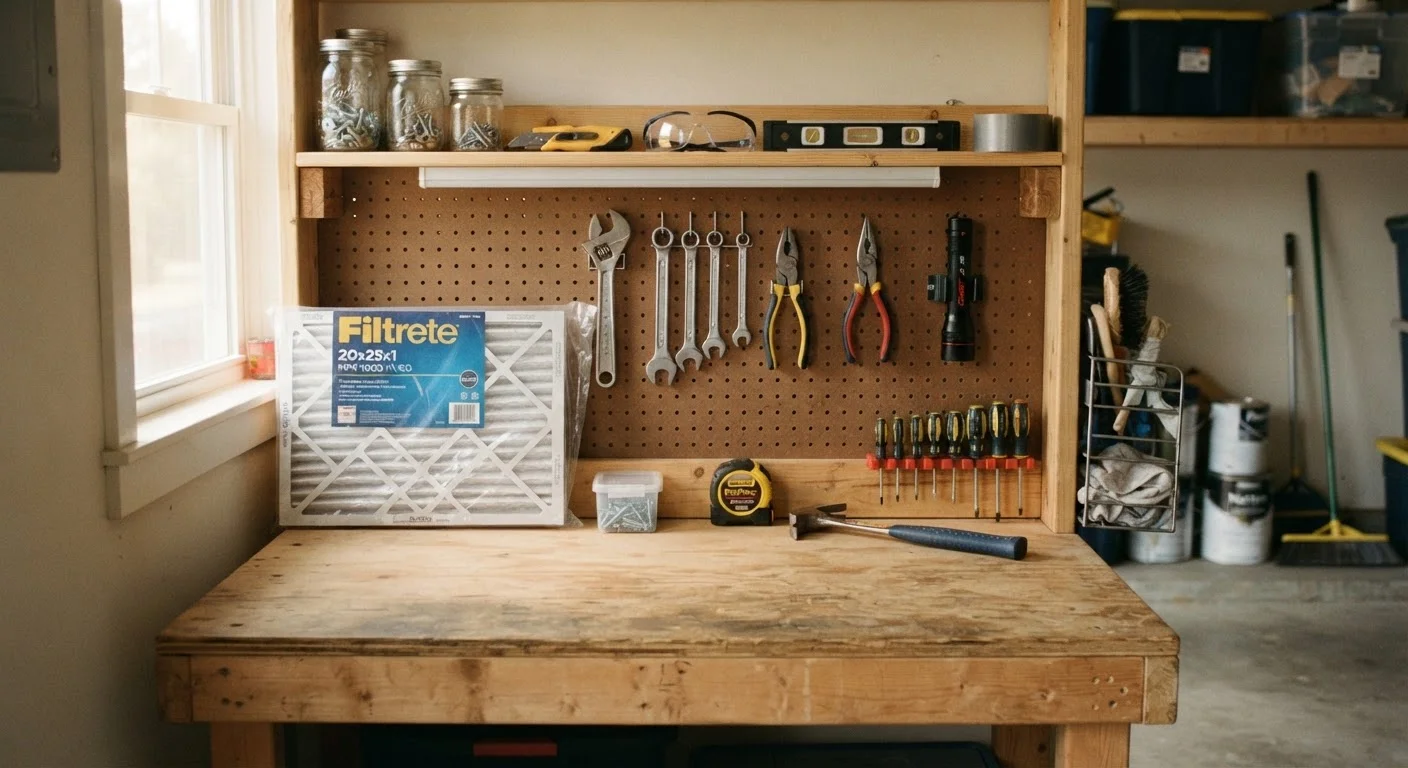
Your HVAC system conditions the air throughout your home. The single most impactful thing you can do is replace the air filter on schedule. A dirty filter forces the system to work harder, raising energy costs and shortening equipment life. Beyond filters, have your system professionally inspected once a year - typically before the heating or cooling season begins.
Plumbing
Know where your main water shut-off valve is before you need it in an emergency. Check under sinks periodically for slow leaks, and flush your water heater annually to remove sediment. In climates with freezing winters, protecting exposed pipes before cold weather arrives is essential.
Roof and Gutters
Your roof keeps everything else dry. Inspect it visually from the ground twice a year - look for missing or curling shingles, and check flashing around chimneys and vents. Clean gutters at least twice annually so water drains away from the foundation rather than pooling against it.
Electrical
Test your smoke detectors and carbon monoxide alarms monthly and replace batteries at least once a year. For a detailed reference on placement and testing schedules, see smoke detectors, CO alarms, and fire extinguishers. Never attempt work on your electrical panel yourself - this is firmly in licensed-electrician territory.
Monthly and Seasonal Tasks
One of the most practical ways to approach home maintenance is through a calendar-based rhythm. Spreading tasks across the year makes them manageable and ensures nothing gets forgotten. A year-round home maintenance calendar can give you a month-by-month breakdown to follow.
Every Month
- Check and replace the HVAC air filter if dirty
- Test smoke and carbon monoxide detectors
- Run water in infrequently used sinks and toilets to prevent drain issues
- Inspect under sinks for signs of moisture
Spring
- Clean gutters and downspouts after winter
- Inspect roof for winter damage
- Check window and door caulking; reapply where cracked or missing
- Service the air conditioning system before hot weather
- Check outdoor faucets and irrigation systems
Fall
- Clean gutters after leaves drop
- Service the heating system before cold weather
- Inspect weatherstripping on doors and windows
- Drain and shut off exterior hose bibs in freeze-prone climates
- Clean the dryer vent to remove lint buildup
Tie Seasonal Tasks to Dates You Remember
Linking maintenance tasks to recurring events - like setting clocks for daylight saving time or the first day of a season - makes them easier to remember without a separate reminder system. Many homeowners use the biannual clock change as a prompt to test smoke detectors and replace batteries.
When to DIY and When to Call a Pro
Not every maintenance task is created equal. Some are genuinely easy for a homeowner with basic tools; others carry real safety risks or legal requirements that make professional involvement essential. Getting this distinction right protects both you and your home.
Generally Safe for Homeowners
- Replacing HVAC filters
- Testing and replacing smoke detector batteries
- Cleaning gutters (with appropriate ladder safety)
- Caulking around windows, tubs, and sinks
- Flushing a water heater (following manufacturer guidelines)
- Cleaning dryer vents
Typically Requires a Licensed Professional
- Electrical panel work, new circuits, or wiring changes
- Gas line connections or appliance installations
- Structural repairs or modifications
- Roof replacement or significant repair
- Plumbing connections to the main supply or drain lines
Many of these professional tasks also require permits and inspections - skipping them can create problems when you sell or file an insurance claim. For more on that, permits, inspections, and code is worth reading. A more detailed guide to drawing the right line is available at DIY maintenance vs. calling a professional.
Building Your Maintenance Habit
The homeowners who stay ahead of problems aren't necessarily more skilled - they're more consistent. Building a maintenance habit starts with a simple system: a checklist you actually use, reminders tied to seasons or calendar events, and a record of what's been done and when.
Keep a home maintenance log - even a basic notebook or a notes app - where you record filter replacements, service dates, and any repairs made. This history is genuinely useful when troubleshooting future problems or when preparing to sell. If you're weighing whether a prepaid maintenance plan makes sense for managing some of these tasks, the case for and against a home maintenance plan offers a balanced look at the trade-offs.
You don't need to become an expert overnight. Understanding your home's systems, knowing what regular attention they need, and recognizing when to call for help is genuinely enough to keep most homes running well. That knowledge compounds over time - and so does the peace of mind that comes with it.