

Key Takeaways
Leaf Yellowing (Chlorosis)
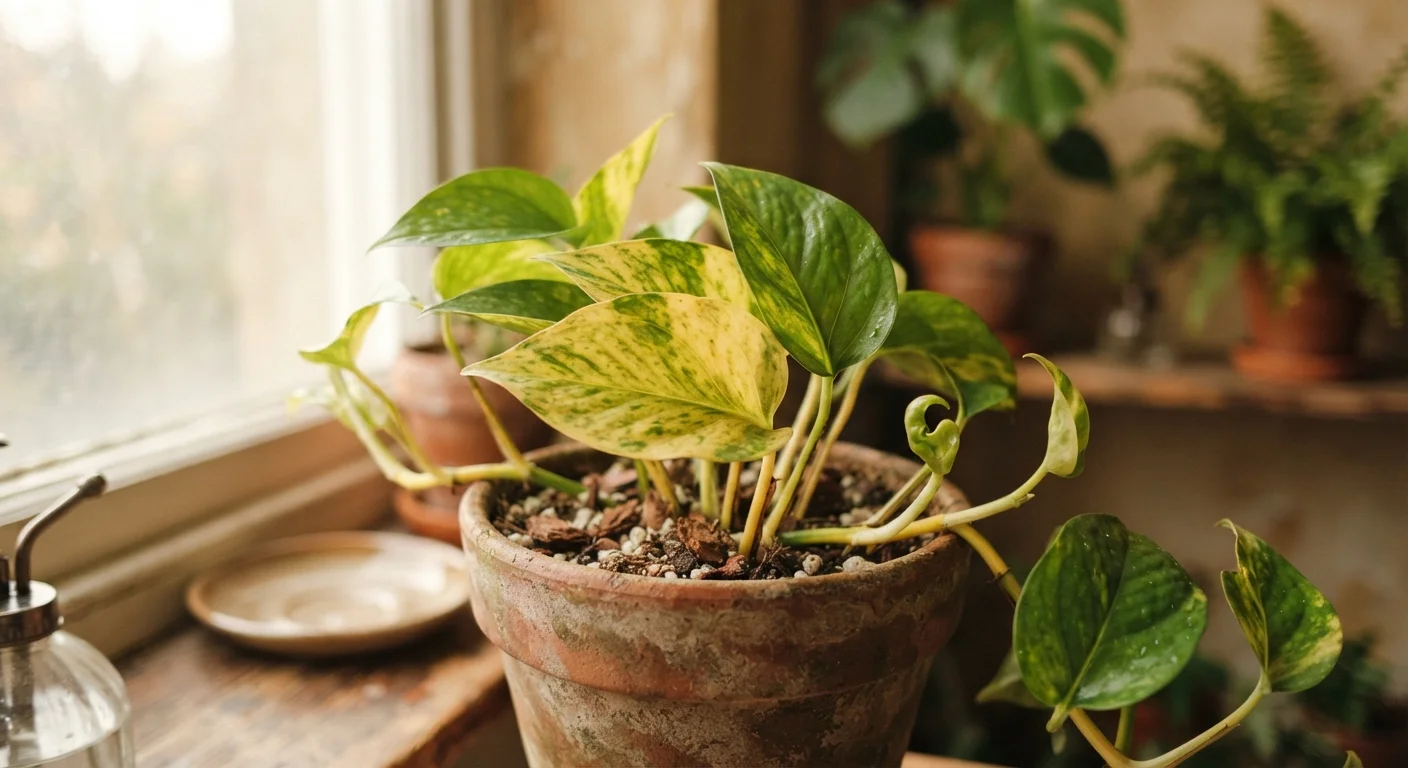
Leaf yellowing - technically called chlorosis - happens when a plant produces less chlorophyll than it needs. Chlorophyll is the pigment that makes leaves green and powers photosynthesis. When levels drop, leaves turn yellow or pale. The tricky part is that many unrelated problems - from too much water to a missing nutrient - can all trigger the same visual result.
Interveinal chlorosis, where leaf veins stay green while tissue between them yellows, is a specific pattern often linked to iron or manganese deficiency caused by high soil pH.
Why Context Is Everything
When a gardener spots a yellow leaf, the instinct is often to reach for fertilizer or adjust watering immediately. But yellow leaves are a symptom, not a verdict. Acting before diagnosing the cause can make things worse - adding fertilizer to an already-stressed, overwatered plant, for instance, can burn roots and deepen the problem.
The first questions to ask are: Which leaves are yellowing? and What pattern do they follow? New growth at the tips, old leaves at the base, leaves on one side of the plant, or leaves throughout the canopy - each points toward a different culprit. Combine that with soil and environmental observations, and the picture becomes much clearer.
Start With Soil Before Anything Else
Before adjusting watering, adding fertilizer, or treating for pests, stick your finger two inches into the soil. If it's wet and compacted, overwatering is likely. If it's powdery and pulling away from the container, underwatering is the more probable cause. This ten-second check eliminates the most common culprit immediately and prevents you from making a second mistake on top of the first.
Water Problems: Too Much or Too Little
Water imbalance is the single most common cause of yellow leaves in both houseplants and garden beds. The challenge is that both excess and insufficient water produce similar-looking results, so visual inspection alone isn't enough.
- Overwatering: Roots sitting in saturated soil begin to suffocate and rot. They can no longer transport water and nutrients upward, causing leaves to yellow and wilt despite the soil being wet. Leaves often feel soft and limp rather than crisp.
- Underwatering: Without enough moisture, plants can't maintain cell pressure or sustain photosynthesis. Leaves yellow, then dry out and may brown at the edges. Soil pulls away from the pot edges or feels dusty and compact.
Always check soil moisture at least two inches below the surface before drawing conclusions. This simple step rules out the most likely cause immediately. For broader guidance on irrigation habits, see common watering mistakes that weaken plants.
Nutrient Deficiencies and Their Patterns
Plants need a mix of macronutrients (nitrogen, phosphorus, potassium) and micronutrients (iron, magnesium, manganese, calcium) to stay healthy. When one is missing, yellowing follows a predictable pattern that can serve as a diagnostic clue.
~70%
Of houseplant deaths attributed to overwatering
Horticultural extension educators frequently cite overwatering as the leading cause of houseplant decline, surpassing underwatering and pests combined.
6.0-7.0
Optimal soil pH for most garden plants
Most vegetables and ornamentals absorb nutrients most efficiently within this pH range; outside it, deficiency symptoms can appear even when nutrients are present in the soil.
3
Major macronutrients plants require
Nitrogen, phosphorus, and potassium are the primary nutrients - each plays a distinct role, and deficiency in any one produces recognizable symptoms in leaf color and plant growth.
- Nitrogen deficiency
- Older, lower leaves yellow first and the discoloration moves upward. New growth may look pale but generally appears first. Nitrogen is mobile in plants, so they sacrifice older tissue to feed new growth.
- Iron deficiency
- Young leaves yellow between the veins while the veins themselves stay green. This interveinal pattern in new growth is a strong indicator of iron or manganese issues, often triggered by high soil pH rather than actual lack of iron in the soil.
- Magnesium deficiency
- Similar interveinal yellowing, but typically appears on older leaves first, since magnesium is also a mobile nutrient.
A soil test is the most reliable way to identify nutrient gaps before amending. Guessing and adding amendments without testing can throw soil chemistry further out of balance.
Pests, Disease, and Natural Aging
Yellowing caused by pests or disease rarely appears in clean, uniform patterns. Spider mites produce stippled, dusty-looking discoloration. Fungal infections like root rot or leaf spot often create blotchy yellowing with distinct margins or lesions. Bacterial diseases may cause water-soaked patches that yellow and collapse.
Inspect both sides of affected leaves closely. Tiny insects, webbing, or powdery residue point toward pest pressure. Mushy stems at the base often confirm root rot. Isolate any plant showing these signs to prevent spread to neighboring plants.
It's also worth remembering that not every yellow leaf signals distress. Plants routinely shed older foliage as part of normal growth - a few yellowing leaves at the base of an otherwise healthy plant is usually just the plant redirecting energy. Building a habit of regular plant observation helps you distinguish normal cycles from genuine problems. These same principles apply to outdoor lawns and beds; see what consistently healthy lawns have in common for a broader framework.