

Key Takeaways
Why Assumptions Are a Traveler's Biggest Vulnerability
Most travel mishaps don't begin with bad luck - they begin with unchallenged assumptions. Travelers arrive in unfamiliar places carrying mental shortcuts shaped by home-country experience, media portrayals, and wishful thinking. Those shortcuts feel like common sense, but in a new environment they can quietly override the judgment that would otherwise keep someone safe.
The good news: assumptions can be identified and corrected. Understanding which ones most commonly put travelers at risk - and why they form in the first place - is a practical first step toward smarter, more resilient travel. For a foundational look at safety principles before you leave home, see our travel safety primer.
Assuming a tourist-heavy area is automatically safe at all hours.
Why it happens: Busy, well-lit tourist zones feel familiar and well-monitored during peak hours, which leads travelers to extend that sense of security to off-peak times and adjacent streets.
Assuming local laws and norms mirror those at home.
Why it happens: Travelers naturally filter new environments through what they already know. Behavior that is legal, unremarkable, or even expected at home - photographing public buildings, jaywalking, consuming alcohol in public - can carry real legal consequences elsewhere.
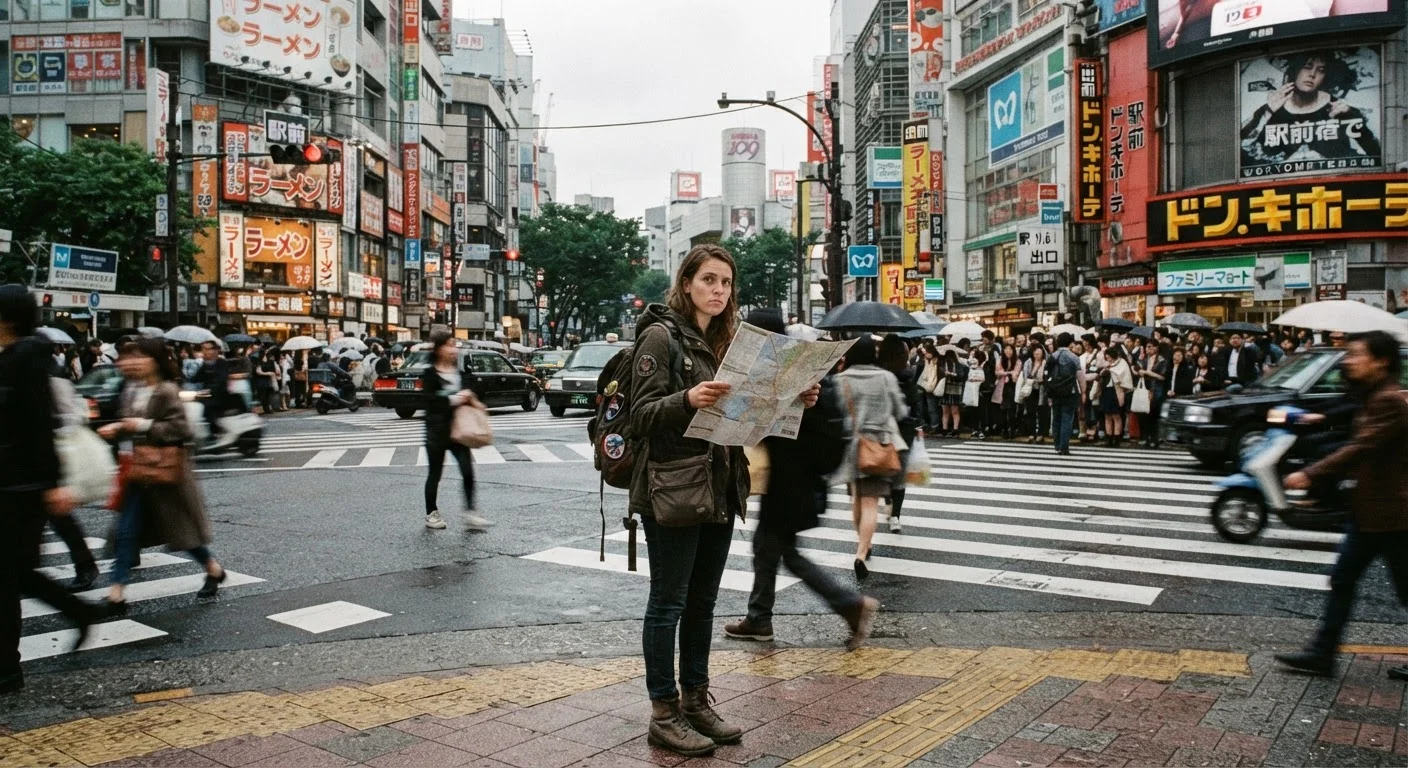
Treating GPS and mapping apps as infallible navigational authorities.
Why it happens: Navigation apps work so reliably at home that travelers stop questioning them entirely, even when routing through unfamiliar terrain, border areas, or places where map data is outdated.
Assuming travel insurance purchased means travel insurance understood.
Why it happens: Many travelers buy a policy quickly at checkout and assume it functions like health insurance back home. Policy exclusions - for adventure activities, pre-existing conditions, or civil unrest - are rarely read before a claim is needed.
Assuming that traveling in a group eliminates individual risk.
Why it happens: Group dynamics create a diffusion of responsibility - everyone assumes someone else is tracking the itinerary, monitoring surroundings, or keeping emergency information accessible.
Assuming that 'nothing bad has happened yet' means the destination is safe.
Why it happens: Past uneventful visits or positive reviews from others create a false baseline. Travelers mistake absence of previous incidents for guaranteed future safety, without accounting for changing local conditions.
The Mindset Shifts That Make the Difference
Correcting dangerous assumptions isn't about becoming paranoid - it's about replacing passive confidence with active awareness. Travelers who fare best in unpredictable situations tend to do a few things consistently: they research before they arrive, they build contingency plans, and they stay curious rather than certain about their environment.
Don't Let Your Phone Be Your Only Safety Net
An overwhelming number of travelers now rely exclusively on smartphones for navigation, translation, communication, and emergency contacts. If your phone is lost, stolen, or loses battery in an unfamiliar area, that single point of failure can rapidly escalate a minor inconvenience into a genuine crisis. Always carry a written copy of critical contacts, your accommodation address in the local language, and a small amount of local currency as backup.
This kind of mindset pairs well with structured situational awareness. Our article on real situational awareness for travelers explores how to move beyond instinct and develop a trainable, practical skill. And if something does go wrong despite preparation, knowing the right steps matters enormously - our guide on handling travel crises abroad covers exactly that. For broader trip planning grounded in realistic expectations rather than myths, the travel planning myths article is worth reading before you book anything.
This article is for general informational purposes only. Travel conditions, entry requirements, local laws, and safety situations can change. Always verify current information through official government sources and consult qualified professionals for health, legal, or financial decisions related to your travel plans.