

Key Takeaways
Why Car Maintenance Myths Persist
Car care advice travels fast - from parents to new drivers, from oil change shop windows to internet forums. The problem is that much of it was formed around vehicles and oil technology from decades ago, and hasn't kept pace with how dramatically cars have changed. Believing outdated information isn't just harmless habit; it can mean paying for unnecessary services or skipping ones that genuinely matter.
The myths below are among the most common and most costly. Each one has a factual correction grounded in how modern vehicles actually work.
Myth
You need to change your oil every 3,000 miles - no exceptions.
Fact
Most modern vehicles with conventional oil can go 5,000-7,500 miles between changes, and those using full synthetic oil may go 10,000-15,000 miles or more, depending on manufacturer specifications.
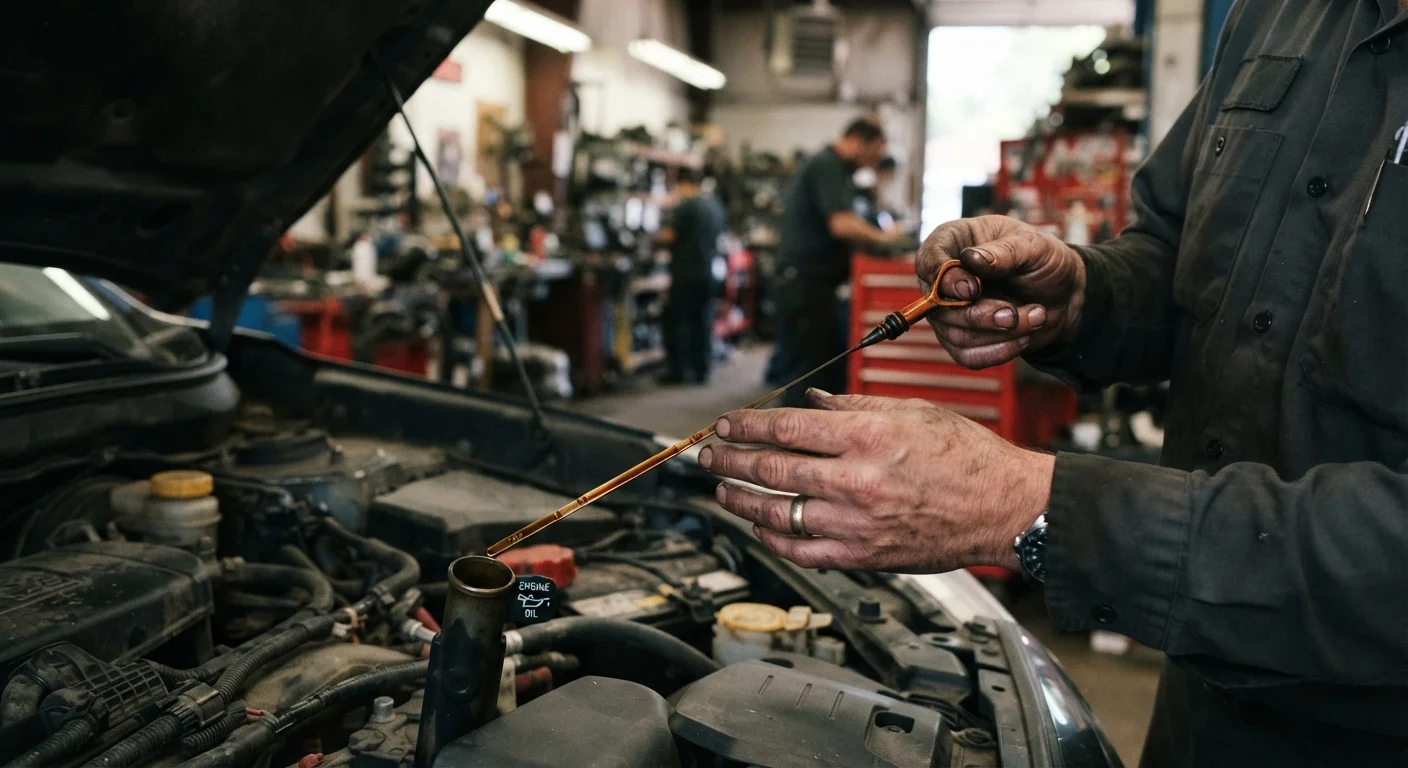
The 3,000-mile rule originated decades ago when engine technology and oil formulations were far less refined. Today's multi-weight oils and modern engine tolerances have extended service intervals significantly. Changing oil more frequently than necessary wastes money and generates needless waste oil. Check your owner's manual for your vehicle's actual recommended interval - and see our guide on synthetic vs. conventional motor oil for more context on how oil type affects change frequency.
Myth
You should let your engine idle for several minutes to warm it up before driving in cold weather.
Fact
Modern fuel-injected engines warm up faster and more efficiently under light driving load than they do idling in a driveway.
Extended idling in cold weather is a habit left over from the carbureted engine era, when fuel delivery systems genuinely needed time to stabilize. Fuel-injected engines - standard on virtually every vehicle sold in the last 30-plus years - use sensors to automatically adjust fuel mixture. Prolonged idling actually delays the engine reaching its optimal operating temperature and can allow fuel to wash oil off cylinder walls, contributing to premature wear. A gentle, unhurried start and the first mile or two of easy driving is all the warm-up most engines need.
Myth
Premium gasoline improves performance and fuel economy in any car.
Fact
Premium fuel only benefits engines engineered to require or recommend it - using it in a standard engine produces no measurable gain.
Premium fuel's higher octane rating resists engine knock (pre-ignition) in high-compression or turbocharged engines that are built to take advantage of it. If your owner's manual says "regular unleaded recommended," paying more for premium is money spent for no return. Conversely, if your manual says "premium required," using regular can cause engine knock and long-term damage. The label under your fuel cap or on the door placard is your definitive answer - not the assumption that more expensive means better.
Myth
The number on the tire sidewall is the pressure you should inflate your tires to.
Fact
The number on the sidewall is the maximum pressure the tire is rated to handle - your correct inflation target is on the vehicle's door placard or owner's manual.
Inflating to the sidewall maximum can result in an overly stiff ride, reduced traction, and uneven tread wear in the center of the tire. Under-inflation, meanwhile, increases rolling resistance, generates heat, and accelerates shoulder wear. The door placard - typically found on the driver's side door jamb - lists the manufacturer's recommended pressure for your specific vehicle and load. Check pressure when tires are cold (driven less than a mile) for an accurate reading. See our guide to checking key vehicle levels for a broader look at routine inspection habits.
Myth
If the car is running fine, you can skip scheduled maintenance.
Fact
Many maintenance items - coolant, transmission fluid, serpentine belts - deteriorate on a time or mileage schedule regardless of whether the car feels normal.
Vehicles rarely give obvious warning signs before a neglected maintenance item fails. A timing belt, for example, typically provides no indication of wear before it breaks - and when it does, the engine damage can be severe and expensive. Sticking to manufacturer-recommended intervals is far less costly than the repairs that follow neglect. If you're unsure what your car may be due for, the maintenance tasks most drivers overlook is a useful reference for the items that commonly get missed.
Myth
You must get your oil changed at the dealership to keep your warranty valid.
Fact
Under the Magnuson-Moss Warranty Act, manufacturers generally cannot void a vehicle warranty simply because maintenance was performed elsewhere, provided the work meets required specifications.
Dealerships sometimes imply that using their service department is required to protect your warranty. In practice, you can have routine maintenance - oil changes, filter replacements, tire rotations - performed by any qualified shop or even yourself, as long as you use fluids and parts meeting manufacturer specifications and keep records. Documentation matters: save your receipts and note the mileage. If warranty questions ever arise, your records are your evidence. For broader perspective on navigating dealer relationships, our article on car-buying myths covers similar misconceptions at the dealership level.
What Drivers Should Do Instead
Replacing myths with accurate habits starts with one document most drivers never open: the owner's manual. It contains your vehicle's actual oil change interval, recommended fuel grade, tire pressure specification, and full service schedule - tailored to your specific engine and drivetrain.
Always Consult Your Owner's Manual
Your vehicle's owner's manual is the single most authoritative source for maintenance intervals, fluid specifications, and service requirements. Manufacturer guidelines are tested for your specific engine - generic advice, no matter how widely repeated, may not apply. When in doubt, a qualified mechanic can help you interpret what's right for your car.
Beyond the manual, building consistent inspection habits helps catch small issues before they become expensive ones. New drivers especially benefit from establishing these routines early - the car maintenance habits guide for new drivers outlines where to start. And if you're managing a higher-mileage vehicle, keeping a high-mileage car reliable addresses the specific intervals and inspections that matter most past 100,000 miles.
When something unexpected appears - particularly a warning light - don't delay. Understanding what your check engine light means can help you gauge urgency and respond appropriately rather than guessing or ignoring it.