

Key Takeaways
The Hidden Cost of Doing Nothing
Most homeowners think of caulking and weatherstripping as one-time installation details - something the builder handled and never needs revisiting. In reality, these seals degrade over time through temperature swings, moisture, and settling, creating gaps that silently drain conditioned air and invite water intrusion.
The U.S. Department of Energy has long cited air sealing as one of the most cost-effective home improvements available, noting that leaks in the building envelope account for a significant share of heating and cooling energy loss in typical American homes. That's energy you're paying for that never actually keeps you comfortable.
Beyond energy bills, failed seals around windows, doors, and plumbing penetrations can allow moisture to accumulate inside wall cavities - contributing to mold growth, wood rot, and insulation degradation over time. For more on underappreciated home maintenance, see our guide to common home maintenance myths that lead to real damage.
Caulk vs. Weatherstripping: Using the Right Tool
These two materials are often mentioned together, but they're not interchangeable. Understanding the difference helps you apply each where it will actually hold up.
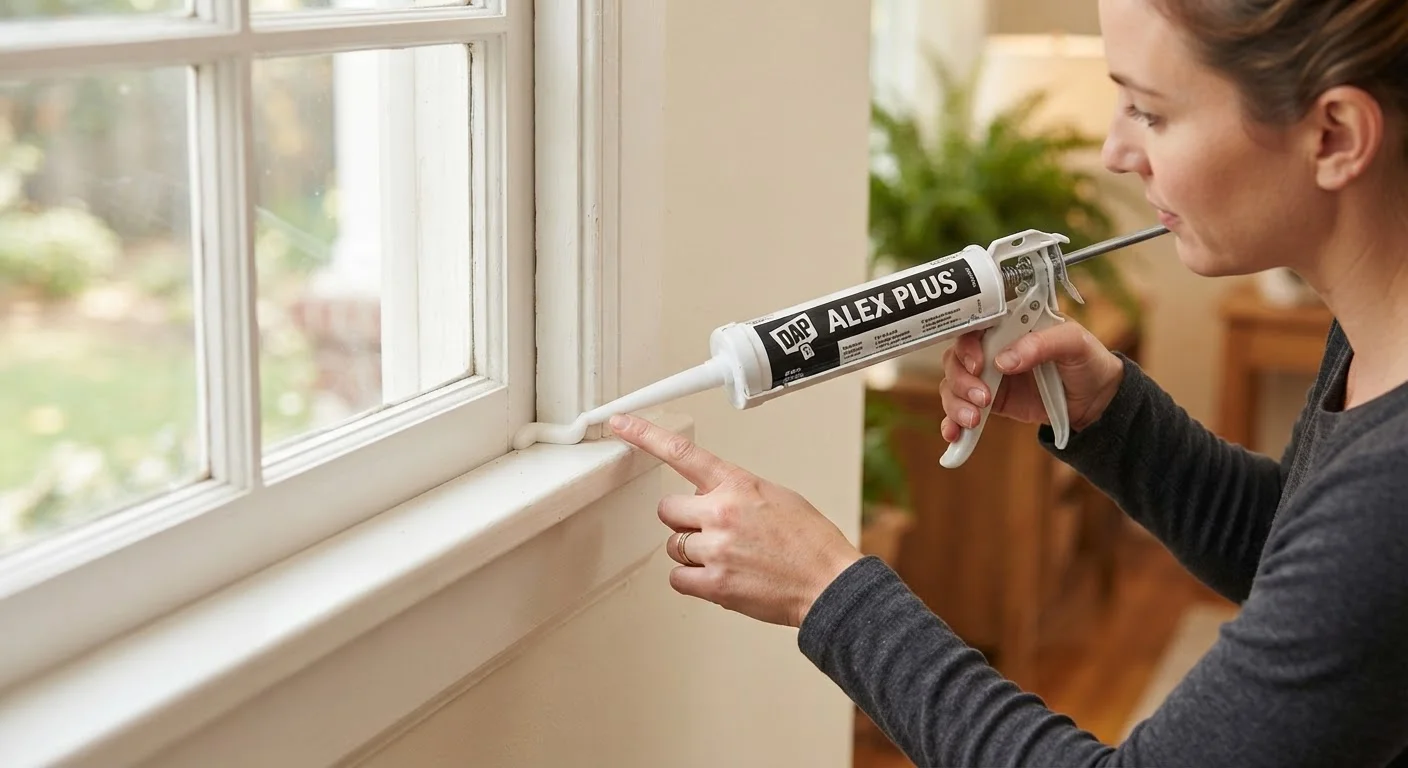
- Caulk is a flexible sealant applied to stationary gaps - the joint between a window frame and exterior siding, around pipe penetrations, where two dissimilar materials meet. It cures in place and is not designed to withstand repeated movement.
- Weatherstripping is a compressible material installed along movable joints - door perimeters, operable windows, attic hatches. It forms a seal when the door or sash closes, then flexes open again with each use.
Applying caulk to a door stop, for example, will crack and fail within months. Conversely, relying on weatherstripping to bridge a wide gap in exterior siding won't create a durable seal. Matching the right product to the right application is the foundation of a long-lasting result.
For a detailed walkthrough of where leaks commonly hide, visit our article on where air leaks hide in most homes.
When to Inspect - and When to Replace
Annual inspection is the baseline. A good time to check seals is in early fall before heating season, which also pairs naturally with broader winterization tasks like checking insulation and HVAC filters.
Signs that caulk needs replacing include cracking, shrinking away from the joint, a chalky or brittle texture, or visible daylight through the gap. Weatherstripping that no longer springs back, shows tears, or allows a noticeable draft when the door is closed should be replaced promptly.
Most caulk formulations are rated to last 5-10 years under normal conditions, though silicone varieties often last longer. Foam and felt weatherstripping types wear faster than rubber or vinyl and may need replacement every few years in high-traffic doorways.
Choosing Materials That Last
The hardware store caulk aisle can feel overwhelming, but a few straightforward guidelines simplify the choice:
- Paintable latex/acrylic caulk
- Good for interior trim joints and gaps where paint adhesion matters. Not ideal for exterior joints with significant temperature variation.
- Silicone caulk
- Highly durable and waterproof; the right choice for kitchen and bath applications and many exterior joints. Harder to paint over without specialty primers.
- Siliconized latex
- A middle-ground option that blends paintability with improved flexibility and moisture resistance. Popular for exterior window and door frames.
For weatherstripping, EPDM rubber (a synthetic rubber compound) is among the more durable options for door perimeters and withstands temperature extremes well. Adhesive-backed foam tape is inexpensive and easy to apply but compresses permanently over time and suits lighter-use applications like casement windows.
Whatever material you choose, surface preparation matters as much as product selection. Clean surfaces - free of dust, old caulk residue, and moisture - are essential for a lasting bond. Rushing past this step is one of the most common reasons DIY sealing jobs fail prematurely.
Staying on top of sealing projects fits into the same discipline as other often-overlooked maintenance - much like the gutter maintenance that protects your home's foundation and siding from water damage.