

Key Takeaways
Full control over soil quality and composition
You fill raised beds with a mix suited to your plants, bypassing native soil problems like compaction, poor drainage, or contamination. This is a significant advantage for urban gardeners or those on challenging properties.
Improved drainage for root health
The elevated structure and loose fill mix allow excess water to drain more freely than compacted in-ground soil, reducing the risk of root rot and waterlogging.
Soil warms earlier in spring
The contained soil mass absorbs heat faster than the surrounding ground, often allowing planting one to two weeks ahead of in-ground beds - a meaningful gain in cooler climates.
Reduced bending and easier physical access
A taller raised bed brings the planting surface closer to standing height, making gardening more accessible for people with back, knee, or mobility limitations.
Easier to manage weeds in early seasons
Starting with weed-seed-free fill mix reduces weed pressure significantly in the first growing season, though this advantage diminishes as seeds blow in over time.
Clear physical boundaries simplify layout
Defined frames make it straightforward to plan crop spacing, rotate plantings between seasons, and keep pathways and growing areas clearly separated.
Soil dries out faster and needs more watering
Raised beds drain efficiently and lose moisture quickly, especially in summer. In hot climates or during dry spells, daily watering may be required to prevent stress on plants.
Higher upfront cost than in-ground beds
Framing materials and quality soil fill add up quickly. A single 4-by-8-foot bed filled with a compost-topsoil blend can cost noticeably more than amending a comparable patch of native ground.
Soil degrades and needs regular replenishment
Unlike in-ground soil supported by a broader soil ecosystem, raised bed mix compresses and loses nutrients season by season, requiring consistent additions of compost and organic matter.
Not immune to pests and disease
Raised beds can reduce some ground-level pest issues, but they do not eliminate aphids, caterpillars, fungal diseases, or birds. A physical barrier like hardware cloth on the base can help with burrowing animals, but must be planned at construction.
Frame materials require maintenance or replacement
Wood frames, even rot-resistant cedar, will eventually degrade. Metal frames can conduct heat and warm soil excessively in summer. Material choice involves ongoing trade-offs.
Our Verdict
Raised beds are a genuinely useful setup for gardeners dealing with poor soil, drainage problems, or physical limitations - but they are not a universal upgrade. The higher upfront cost, increased watering demands, and ongoing soil maintenance mean they work best when you have a clear reason to use them. When you don't have an underlying problem to solve, in-ground beds may serve you just as well for far less investment.
Raised beds are best for gardeners with compacted or contaminated native soil, those who want an earlier start on the growing season, or anyone who benefits from reduced bending and kneeling.
What Makes Raised Beds Different
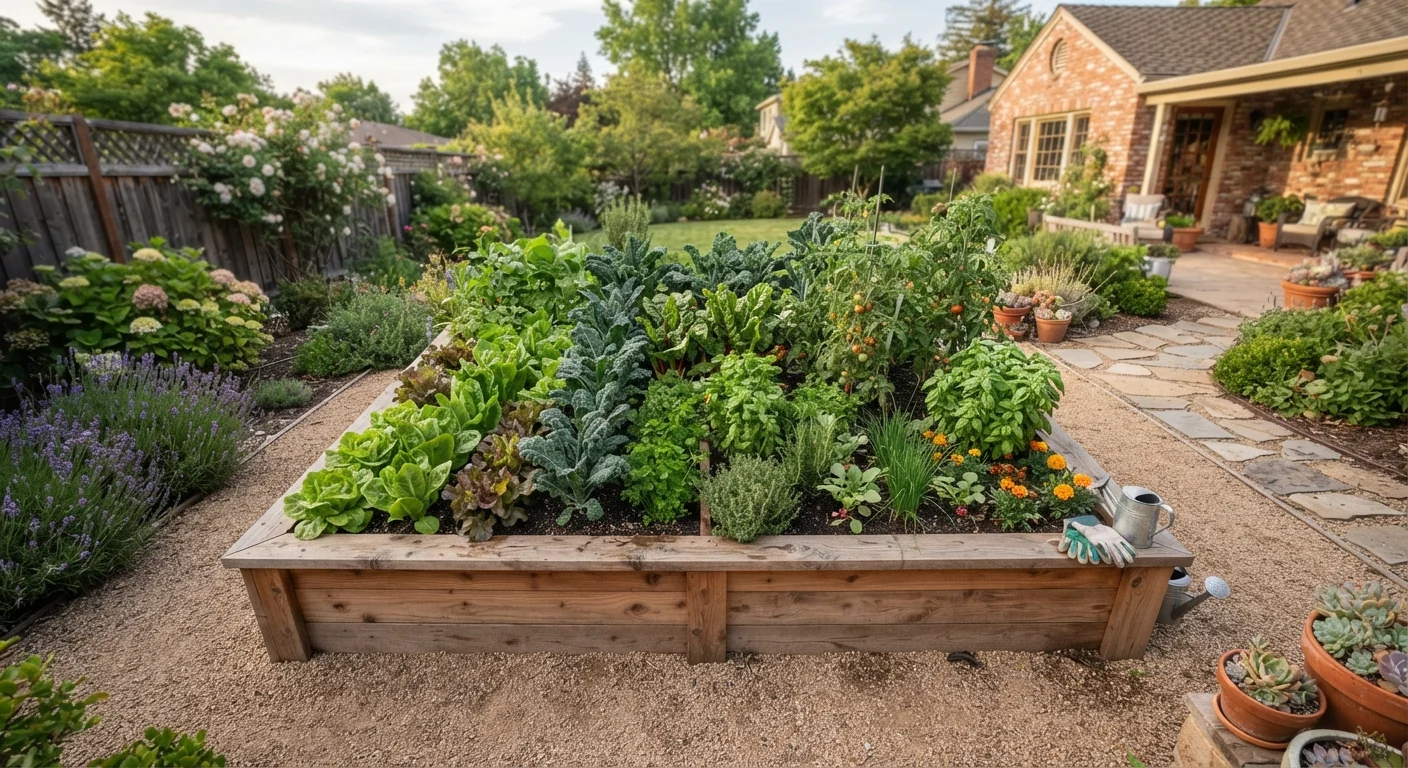
A raised bed is a contained growing area - usually framed with wood, stone, metal, or composite materials - filled with a custom soil mix rather than native ground soil. The frame sits on top of the existing yard surface and can range from a few inches to several feet in height.
The key distinction is that you are essentially creating an entirely separate growing environment. That separation is both the source of raised beds' biggest advantages and their most significant drawbacks. Understanding that dynamic helps you decide whether they're the right choice for your space before you spend time and money building them.
If you are already thinking about next steps, the Garden Bed Preparation Checklist for Spring Planting covers everything you need to do before the first seeds go in - applicable to both raised and in-ground approaches.
The Advantages Worth Knowing
Raised beds solve several real gardening problems that in-ground plots cannot easily address.
Full control over soil quality and composition
You fill raised beds with a mix suited to your plants, bypassing native soil problems like compaction, poor drainage, or contamination. This is a significant advantage for urban gardeners or those on challenging properties.
Improved drainage for root health
The elevated structure and loose fill mix allow excess water to drain more freely than compacted in-ground soil, reducing the risk of root rot and waterlogging.
Soil warms earlier in spring
The contained soil mass absorbs heat faster than the surrounding ground, often allowing planting one to two weeks ahead of in-ground beds - a meaningful gain in cooler climates.
Reduced bending and easier physical access
A taller raised bed brings the planting surface closer to standing height, making gardening more accessible for people with back, knee, or mobility limitations.
Easier to manage weeds in early seasons
Starting with weed-seed-free fill mix reduces weed pressure significantly in the first growing season, though this advantage diminishes as seeds blow in over time.
Clear physical boundaries simplify layout
Defined frames make it straightforward to plan crop spacing, rotate plantings between seasons, and keep pathways and growing areas clearly separated.
Soil quality is the most compelling advantage. You fill the bed with a mix you choose - typically a blend of topsoil, compost, and other amendments - which means you sidestep compaction, clay-heavy earth, rocky ground, and even contaminated soil. For gardeners in urban areas or on properties with a history of industrial use, this control is not just convenient; it can be essential.
The elevated structure also improves drainage noticeably, which benefits plants that are prone to root rot in waterlogged conditions. And because the soil mass warms up faster than the surrounding ground in spring, you can often plant a week or two earlier than your in-ground neighbors - a meaningful advantage in shorter growing seasons.
The Disadvantages to Weigh Honestly
No gardening method is without its trade-offs, and raised beds carry some that are easy to overlook during the planning phase.
Soil dries out faster and needs more watering
Raised beds drain efficiently and lose moisture quickly, especially in summer. In hot climates or during dry spells, daily watering may be required to prevent stress on plants.
Higher upfront cost than in-ground beds
Framing materials and quality soil fill add up quickly. A single 4-by-8-foot bed filled with a compost-topsoil blend can cost noticeably more than amending a comparable patch of native ground.
Soil degrades and needs regular replenishment
Unlike in-ground soil supported by a broader soil ecosystem, raised bed mix compresses and loses nutrients season by season, requiring consistent additions of compost and organic matter.
Not immune to pests and disease
Raised beds can reduce some ground-level pest issues, but they do not eliminate aphids, caterpillars, fungal diseases, or birds. A physical barrier like hardware cloth on the base can help with burrowing animals, but must be planned at construction.
Frame materials require maintenance or replacement
Wood frames, even rot-resistant cedar, will eventually degrade. Metal frames can conduct heat and warm soil excessively in summer. Material choice involves ongoing trade-offs.
The most commonly underestimated drawback is water retention - or the lack of it. Because raised beds drain efficiently and have a greater surface-area-to-volume ratio than in-ground plots, the soil dries out faster. During summer heat, daily watering may be necessary. A drip irrigation system is often worth considering for raised beds to keep moisture consistent without constant manual effort.
Material and fill costs are another honest reality. Building even one 4-by-8-foot raised bed and filling it with quality growing mix can cost considerably more than amending an equivalent patch of in-ground soil. Scaling to multiple beds multiplies those costs quickly.
Soil also compresses and breaks down over time. Unlike in-ground soil that benefits from natural biological processes across a wider ecosystem, raised bed soil needs regular replenishment with compost and organic matter to stay productive season after season. The season-by-season mulching approach is one of the most practical ways to slow moisture loss and maintain soil structure in raised beds.
Consider Your Climate Before Committing
In hot, arid climates - such as the American Southwest - raised beds can amplify heat stress on plants and demand extremely frequent irrigation. In these regions, sunken or in-ground beds may actually outperform raised ones by retaining more moisture. Climate zone is one of the most important variables to weigh before deciding on your bed type.
Factors That Should Drive Your Decision
The right question isn't whether raised beds are better than in-ground gardening - it's whether they solve a specific problem you actually have.
If your native soil is compacted, poorly draining, heavily clay-based, or potentially contaminated, a raised bed is a practical solution. If you have back or knee problems, a taller frame reduces bending significantly. If you garden in a region with a short frost-free window, the earlier soil warming is a meaningful seasonal advantage.
On the other hand, if your native soil is reasonably workable and you're primarily attracted to the tidy aesthetic, it's worth calculating whether the investment - in both money and ongoing maintenance - justifies that outcome. Some of the assumptions people make about raised beds (like the idea that they're automatically lower-maintenance) deserve scrutiny. For a broader look at gardening assumptions that don't hold up under evidence, Garden Myths That Keep Plants from Thriving is a useful read.
6-8 inches
Minimum soil depth for most vegetables
University extension programs generally recommend at least 6 to 8 inches of quality growing medium for root vegetables, with 12 inches or more preferred for deeper-rooted crops.
2-3x
Faster soil warm-up vs. in-ground
Raised bed soil can warm up significantly faster in early spring than native ground, according to general observations reported by cooperative extension researchers studying season extension.
Ultimately, raised beds are a tool - a very good one when matched to the right circumstances. Match the method to your actual yard, climate, and goals rather than the prevailing trend.