

Key Takeaways
Added Sugars
Added sugars are any sugars or sweeteners that manufacturers put into a food during processing or preparation - including table sugar, honey, syrups, and fruit juice concentrates. They are distinct from sugars that occur naturally in whole foods like fruit or milk. The Nutrition Facts label lists them separately so you can see how much sweetness was added beyond what exists in the food itself.
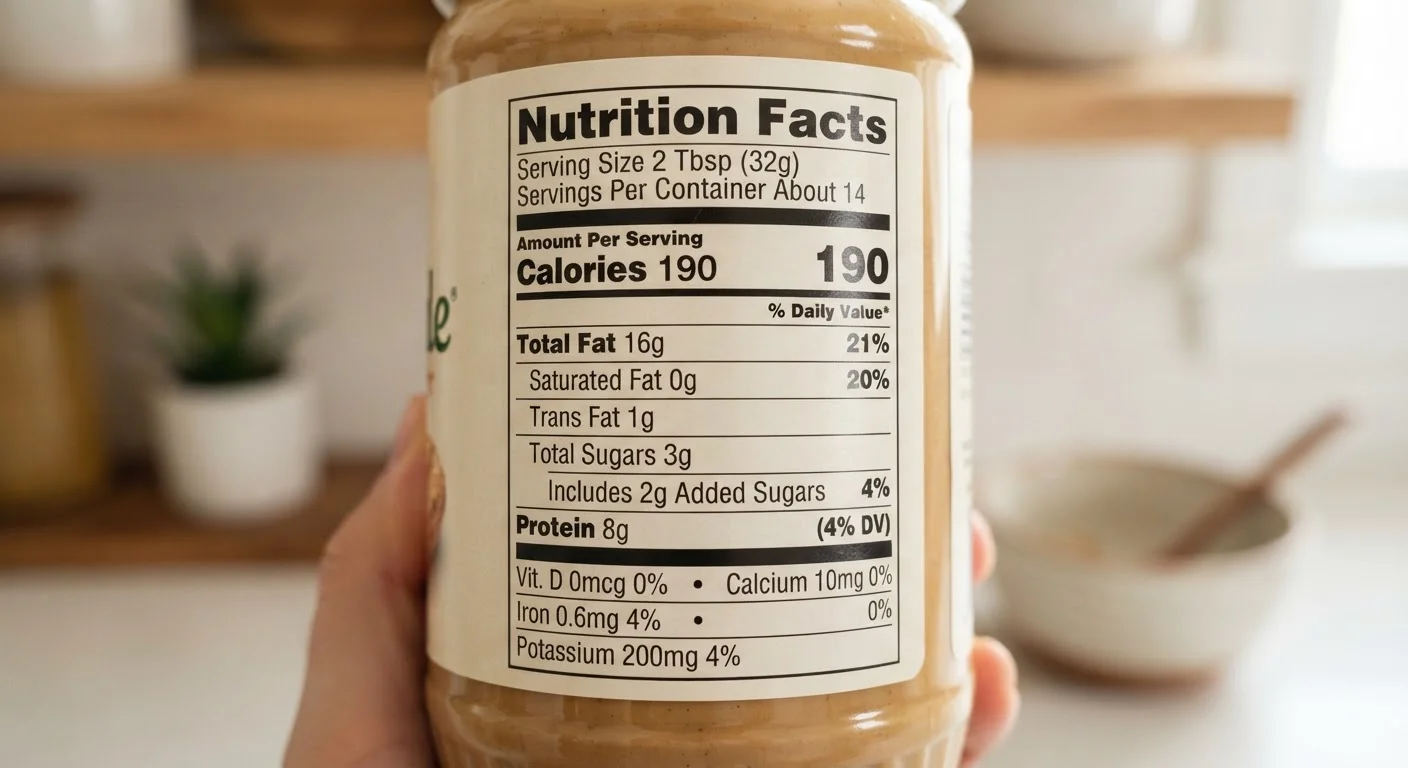
The FDA updated its Nutrition Facts label requirements in 2016, mandating a separate 'Added Sugars' line (in grams and as a % Daily Value) beneath 'Total Sugars' to help consumers make more informed dietary choices.
How the Label Distinction Came About
For decades, Nutrition Facts labels listed only "Total Sugars," leaving consumers unable to distinguish between a cup of plain milk and a heavily sweetened flavored version. Both contain sugar, but for very different reasons. In 2016, the U.S. Food and Drug Administration (FDA) finalized an updated Nutrition Facts label format that required manufacturers to break out "Added Sugars" as its own line - indented beneath Total Sugars - along with a corresponding % Daily Value.
The change was driven by a growing body of nutritional research and a shift in public health priorities. Regulators recognized that total sugar alone was an incomplete signal. A consumer seeing "12g of sugar" on a yogurt label had no way of knowing whether that came entirely from naturally occurring lactose (milk sugar) or whether the manufacturer had poured in several teaspoons of cane sugar on top. The separate line fixes that ambiguity.
For a broader guide to interpreting everything else on the panel, see what the Nutrition Facts label is actually telling you.
Why the Distinction Matters Nutritionally
The core nutritional argument for treating these two types of sugar differently comes down to what travels with them. When you eat an apple, its natural sugars arrive bundled with fiber, water, and vitamins. That fiber slows digestion, moderates how quickly glucose enters the bloodstream, and contributes to satiety. When the same amount of sugar is added to a processed snack, none of those companions show up.
Health organizations, including the World Health Organization and the American Heart Association, have consistently linked high intakes of added sugars - not naturally occurring ones - to increased risk of weight gain, dental caries, and metabolic concerns. This is not a condemnation of sugar as a molecule, but a recognition that dietary context matters enormously.
17 tsp
Average daily added sugar intake for U.S. adults
According to CDC data, American adults consume roughly 17 teaspoons of added sugar per day on average, well above recommended limits.
~39%
Share of added sugar from beverages
Research published in nutrition journals has consistently found that sugar-sweetened beverages, including sodas and energy drinks, are the largest single category source of added sugar in the U.S. diet.
10%
Recommended added sugar ceiling (% of daily calories)
The Dietary Guidelines for Americans recommend that added sugars make up less than 10% of total daily caloric intake for adults and children over age 2.
It's also worth noting that the Dietary Guidelines for Americans recommend keeping added sugar below 10% of daily caloric intake. That guidance does not apply to the natural sugars in whole fruit or plain dairy. This is general population guidance; anyone with specific health conditions should consult a qualified healthcare professional.
Where Added Sugar Tends to Hide
Most people associate added sugar with obvious offenders - candy, soda, and desserts. But a significant share of Americans' added sugar intake comes from foods that don't taste particularly sweet. Flavored yogurts, granola bars, breakfast cereals, pasta sauces, bread, salad dressings, and condiments like ketchup all commonly contain meaningful amounts of added sugar.
Part of what makes this difficult to spot is that added sugars appear under dozens of different names in ingredients lists. High-fructose corn syrup, cane juice, dextrose, maltose, brown rice syrup, and fruit juice concentrate are all forms of added sugar. Manufacturers are not required to list them under a single umbrella term in the ingredients - which is exactly why the dedicated "Added Sugars" line on the Nutrition Facts panel is so useful. It aggregates all of those sources into one number.
Understanding how packaging language works more broadly can also help. Common terms on food packaging and what they're allowed to mean covers regulated and unregulated claims like "natural" and "no artificial ingredients" - labels that say nothing about added sugar content.
Using the Label Practically
Knowing that the line exists is only useful if you know how to apply it. The % Daily Value column is one of the most practical tools available. Based on a 2,000-calorie reference diet, a product with 5% DV or less for added sugars is generally considered low; 20% DV or more is considered high. Those benchmarks let you compare two similar products quickly without doing mental arithmetic.
Looking at the ingredients list alongside the Nutrition Facts panel gives you the full picture: the panel tells you how much added sugar is present; the ingredients tell you what kind and give a rough sense of how prominent it is (ingredients are listed in descending order by weight). A product listing three different types of sugar in the first five ingredients likely has a higher effective sugar load than the label's single gram total might suggest if those forms were consolidated.
Added sugar is only one component worth tracking in a balanced dietary approach. Sodium is another nutrient where label literacy pays off - sodium in the American diet explores a parallel story about where intake actually comes from versus where people assume it comes from.
This article is for general informational and educational purposes only and does not constitute medical or dietary advice. Consult a qualified healthcare professional or registered dietitian for guidance tailored to your personal health situation.