

Home & Garden

Spring Home Walkthrough: What to Inspect After a Hard Winter

Share
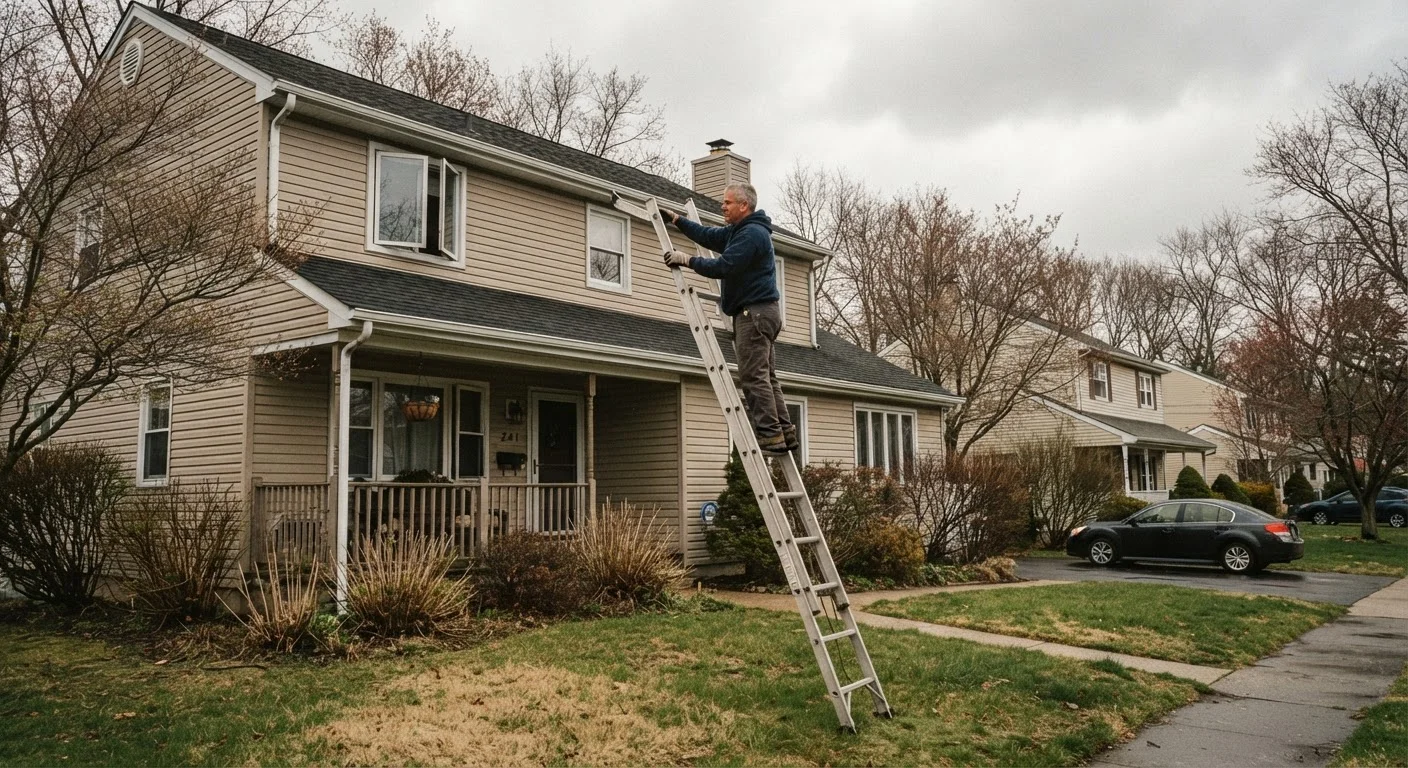
Homeowner on a ladder inspecting gutters and roofline of a house in early spring

Key Takeaways

Winter freeze-thaw cycles can crack foundations, shift flashing, and clog gutters — inspect these first.
Catching drainage problems early prevents water from pooling against your foundation.
Roof and attic inspections are high priority; damage often isn't visible from the ground.
Most spring inspection tasks require no special tools and can be done in a single afternoon.
Some findings — especially structural or electrical concerns — should be evaluated by a licensed professional.
60–120 min

Summary

22 items · 1–2 hours

Why a Spring Walkthrough Matters

A hard winter puts your home through repeated stress: freeze-thaw cycles pry open tiny cracks, ice and snow load rooflines, and salt-laden air corrodes metal components. By the time temperatures rise, damage can be hiding in plain sight — or completely out of view until it becomes a serious problem.

This checklist is designed to walk you through the most vulnerable areas of your home in a logical order, starting outside and working your way in. You don't need to be a contractor to complete it — you need a methodical eye, a pair of binoculars for the roof, a flashlight for dark corners, and a willingness to get a little muddy around the foundation perimeter.

This walkthrough fits naturally into a broader approach to home care. If you're looking for a full calendar of tasks across all twelve months, the Year-Round Home Maintenance Calendar is a useful companion. And if you've recently become a homeowner, Home Maintenance From the Ground Up provides a plain-language foundation for understanding what your home actually needs.

Tools You'll Need for This Inspection

Gather these items before you start so you can move efficiently through the walkthrough without stopping.

Required

Binoculars

Allows safe inspection of the roofline, flashing, and ridge from the ground.

Required

Flashlight or headlamp

Essential for examining the attic, crawl space, and basement corners where natural light doesn't reach.

Required

Flathead screwdriver

Used to probe wood siding, trim, and deck boards for soft spots indicating rot.

Required

Notepad or phone camera

Document findings with notes and photos so you can prioritize repairs and share with contractors.

Optional

Garden hose

Tests downspout flow and helps trigger sump pump float testing.

Optional

Ladder

Needed for close gutter inspection; use only on stable ground and follow all ladder safety guidelines.

The Spring Inspection Checklist

Work through each group in order. Flag any items that need follow-up and note whether the fix is a DIY task or requires a professional. When in doubt about anything structural, electrical, or involving your roof membrane, call a licensed contractor — minor inspection fees are far cheaper than deferred repairs.

Roof & Gutters

Scan the roofline with binoculars for missing, cracked, or curling shingles — pay extra attention to ridgelines and valleys where ice dams concentrate. Must
Check flashing around chimneys, skylights, and roof vents for separation, rust, or gaps where water can penetrate. Must
Clear gutters and downspouts of winter debris and verify that water flows freely toward the downspout outlet. Must
Confirm downspouts discharge water at least 4–6 feet from the foundation; add extenders if they fall short. Should
Look for sagging gutter sections or gutters that have pulled away from the fascia board. Should

Foundation & Drainage

Walk the entire foundation perimeter and look for new cracks — horizontal cracks or stair-step cracks in masonry are higher priority than hairline vertical ones. Must
Check that the soil grade slopes away from the foundation on all sides; soil that has settled toward the house should be regraded. Must
Inspect window wells for standing water or debris that could allow moisture to seep into basement windows. Should
Look for efflorescence (white chalky deposits) on basement or crawl space walls, which signals moisture migration. Should

Exterior Surfaces & Structure

Inspect all exterior caulking around windows, doors, and penetrations for cracking or separation; replace any that has failed. Must
Check wood siding, trim, and fascia boards for rot, swelling, or paint that has bubbled — probe suspect areas with a screwdriver tip. Must
Examine deck boards and railings for winter loosening, rot, or splintering; test railing posts for wobble. Should
Inspect driveway and walkways for new heaving, cracking, or frost-raised sections that create tripping hazards. Should
Look for damage to fencing, retaining walls, or stairs caused by frost movement or heavy snow load. Nice to have

Attic & Interior

Enter the attic with a flashlight and look for daylight, water stains, or mold on the sheathing — staining indicates past or ongoing roof leaks. Must
Verify that attic ventilation is unobstructed; blocked soffit vents trap moisture and heat that degrade the roof structure. Must
Check ceilings throughout the house for new water stains, bubbling paint, or soft spots that indicate a leak above. Must
Inspect basement or crawl space for new moisture, standing water, or signs of pest activity after the winter thaw. Should

Plumbing & Mechanical

Turn on exterior hose bibs and inspect for leaks caused by any freeze damage over the winter. Must
Test sump pump operation by pouring water into the pit — confirm the float triggers the pump and it discharges properly. Must
Schedule an HVAC tune-up or replace air filters before running the air conditioner for the first time. Should
Check the dryer vent exterior cap to ensure it opens freely and is free of lint buildup — a blocked vent is a fire hazard. Should

When to Stop and Call a Professional

Horizontal foundation cracks, bowed basement walls, large areas of sagging or missing roofing, and any signs of active water intrusion into structural cavities should be evaluated by a licensed contractor or structural engineer before you attempt any repair. These are not DIY situations. Attempting to patch structural or water-related damage without a proper diagnosis can mask the problem and make it more expensive to correct later.

For homes with a crawl space or basement, pay special attention to the moisture and drainage items. The maintenance needs of these two foundation types differ meaningfully — the Crawl Space vs. Basement guide breaks down what each one requires. And if you spot any issues now that you want to address before next season, Getting Your Home Ready Before Winter Arrives covers the weatherization steps that matter most.

What to Do With Your Findings

After completing the walkthrough, sort your notes into three buckets: things you can fix yourself this weekend, things that need a professional quote, and things to monitor over the next few months. Not every imperfection requires immediate action — a hairline crack in stucco may only need caulk, while a bowed basement wall warrants a structural engineer's eye.

If you noticed issues around grading or drainage, What New Homeowners Often Get Wrong About Upkeep covers these and other commonly missed maintenance tasks in detail. And while you're in inspection mode, spring is also a good time to run through your vehicle — the same seasonal stresses that affect your home affect your car. See Seasonal Car Maintenance for a parallel checklist.

The goal isn't a perfect home — it's a home you understand well enough to maintain confidently. A single afternoon of careful observation each spring can prevent thousands of dollars in avoidable repairs over the life of your house.

Home & Garden Editorial Team is the collective byline for our editorial team and contributor network. Articles published under this byline or an editorial pen name are researched, written, and reviewed according to our editorial standards for clarity, consistency, and independence before publication.

View all articles by Home & Garden Editorial Team →
Disclaimer: The content on this site is provided for informational purposes only and should not be considered a substitute for professional advice. While we strive to provide accurate and up-to-date information, we make no guarantees regarding its completeness or accuracy. Always consult a qualified professional for advice specific to your circumstances before making any decisions.