

Key Takeaways
Deferred Maintenance
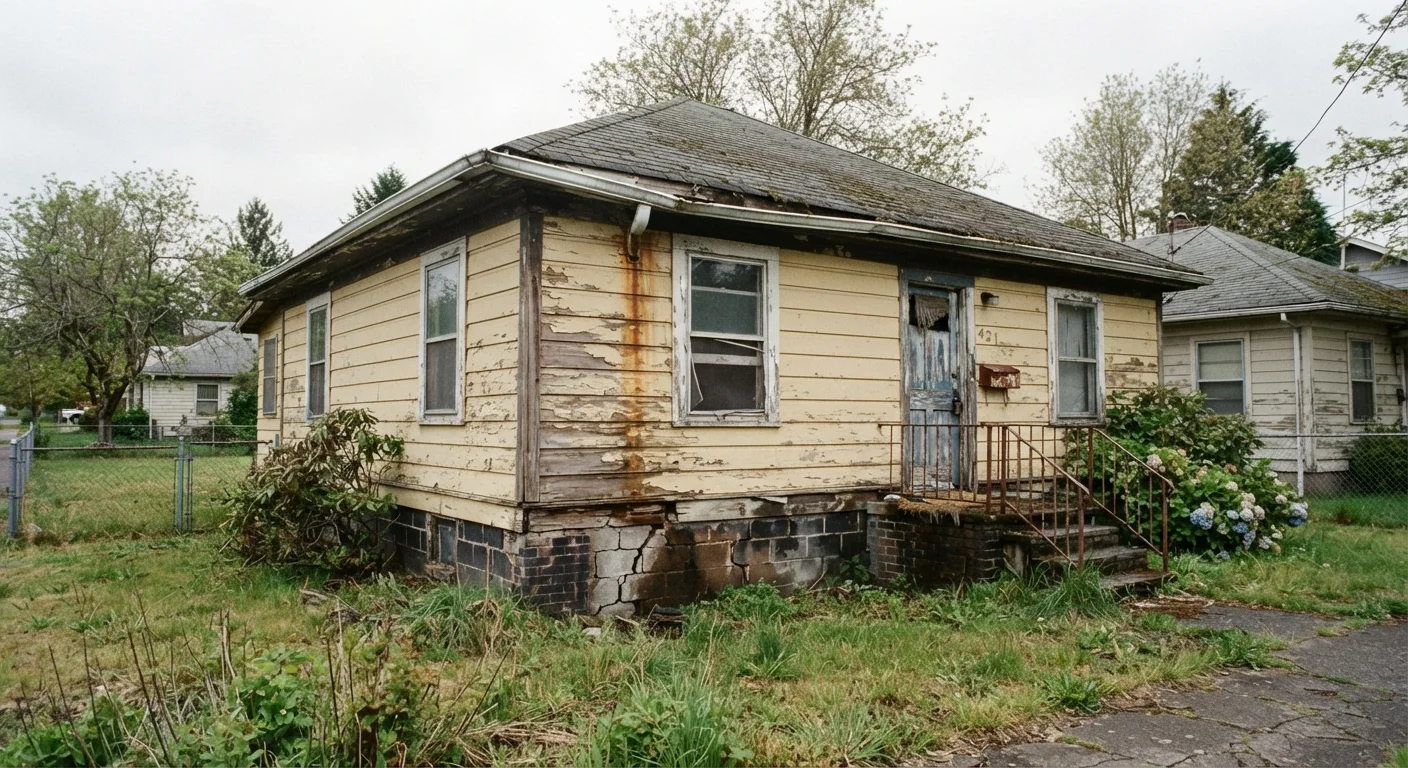
Deferred maintenance refers to upkeep tasks that have been postponed past their recommended schedule - whether intentionally due to cost, or simply overlooked. Every house requires regular attention to its systems, surfaces, and structure. When that attention is delayed, small deterioration accelerates into larger damage, often at a cost far exceeding what the original repair would have required.
In real estate and property management, deferred maintenance is formally assessed during inspections and can significantly affect a home's appraised value, insurability, and resale price.
Why Small Problems Rarely Stay Small
A house is a system of interconnected components - roof, walls, foundation, plumbing, HVAC, and more - and damage in one area reliably migrates to others. This is what makes deferred maintenance particularly costly: postponing a $200 gutter cleaning doesn't just mean dirty gutters. It means water overflows against the foundation, saturates the soil, and can eventually work its way into the basement or crawlspace. By that point, you're looking at waterproofing work, possible mold remediation, and potentially structural repairs.
The pattern repeats across every system. A small roof leak allows moisture into the attic, which begins degrading insulation and eventually leads to rot in the sheathing or rafters. A failed caulk line around a window lets in water that swells the framing, damages drywall, and invites mold. The original fix - re-caulking - might take 30 minutes and cost almost nothing. The resulting damage can run into thousands of dollars.
When Inaction Becomes a Code Issue
In some jurisdictions, severely deteriorated systems - particularly electrical panels, structural elements, and drainage - can trigger local code enforcement action if identified during a sale or permit inspection. This doesn't apply to most routine maintenance, but it's worth knowing that neglect can occasionally create legal or regulatory complications beyond simple repair costs. Always verify local requirements with the appropriate authority.
Water: The Primary Accelerant
If there is one unifying theme in deferred maintenance damage, it's water. Moisture is patient, persistent, and finds every gap that maintenance has left unaddressed. Clogged gutters, cracked flashing, deteriorating grout in showers, aging water heater connections, and missing downspout extensions all create pathways for water to reach places it shouldn't.
The destruction water causes is compounded by time. Wood rots, metal corrodes, concrete spalls, and biological growth - mold and mildew - takes hold wherever moisture and organic material meet. Mold remediation alone can cost anywhere from several hundred to tens of thousands of dollars depending on how far it has spread, and it often requires professional intervention. For a grounding look at what first-time homeowners frequently miss on this front, see what new homeowners often get wrong about upkeep.
5x-10x
Cost multiplier of delayed vs. timely repairs
Property management and home inspection professionals commonly observe that deferred maintenance repairs cost several times more than the original preventive fix would have.
1%-2%
Recommended annual maintenance budget (% of home value)
This widely referenced general guideline helps homeowners set aside funds proactively; older homes or harsh-climate properties often require more.
40%
Of home inspection findings related to deferred maintenance
Home inspection industry surveys consistently show that a substantial share of reported defects stem from maintenance that was postponed rather than immediate structural failures.
The Compounding Cost of Waiting
Deferred maintenance follows a cost curve that steepens sharply over time. A roof with a few missing shingles might cost a few hundred dollars to repair. Leave it through two or three rain seasons and the decking below becomes saturated. Now you're replacing decking, insulation, and potentially dealing with interior water damage - a project that can cost 10 to 20 times more. This multiplier effect is why property managers and home inspectors treat deferred maintenance as a liability rather than just a to-do list.
There's also the insurance dimension. Many policies contain exclusions for damage that results from neglect. If a pipe bursts because its supply line was visibly deteriorating and left unaddressed, an insurer may decline to cover the water damage. Understanding this risk is part of responsible homeownership. It's worth reading about home maintenance myths that cost homeowners money - several widely held misconceptions actively encourage the kind of inaction that leads to expensive claims denials.
Which Systems Carry the Most Risk
Not all deferred maintenance carries equal consequences. Some neglected items are primarily cosmetic; others create safety hazards or accelerate structural decline. The following categories warrant the most attention:
- Roof and gutters: Direct water exposure makes these the highest-priority systems. Even minor failures here have cascading interior consequences.
- Foundation and grading: Soil that slopes toward the house rather than away from it channels every rainstorm toward your foundation. Correcting grading is often straightforward but easy to overlook.
- HVAC filters and drainage: A clogged condensate drain line can overflow and damage ceilings or walls. Dirty filters reduce efficiency and shorten equipment life.
- Electrical and plumbing: Deteriorating wiring, aging supply lines, and corroded shut-off valves are safety issues, not just maintenance items. These should never be deferred indefinitely, and complex repairs require a licensed professional. See our guide on when to call a professional versus DIY for help drawing that line.
Recognizing which items on your list are time-sensitive versus cosmetic helps you prioritize limited budgets without letting the critical items slip.
A Practical Approach to Staying Ahead
The most effective homeowners treat maintenance as a scheduled habit rather than a reactive scramble. Seasonal walkthroughs - checking the roof after winter, inspecting caulk and weatherstripping before fall, clearing gutters after leaf drop - catch the majority of developing problems before they escalate. Keeping a simple home maintenance log also helps: recording when systems were last serviced makes it easier to spot what's overdue.
For those considering whether a formal maintenance plan makes sense for their situation, the case for and against a home maintenance plan offers a balanced look at the trade-offs. The same discipline that applies to your home also applies to your vehicle - the parallels are instructive, as explored in the car maintenance tasks most drivers overlook.
The core principle is consistent regardless of home size or age: the cost of prevention is almost always lower than the cost of repair. Staying proactive isn't about perfection - it's about not letting small, addressable issues quietly grow into major ones.