

Key Takeaways
Why Common Security Wisdom Falls Short
Travel security advice circulates freely - in forums, guidebooks, and well-meaning tips from friends who once had a bad experience abroad. The problem is that a lot of it is either outdated, oversimplified, or simply incorrect. Travelers who act on myths may feel protected while remaining genuinely vulnerable, or they may burden themselves with unnecessary precautions that add stress without adding safety.
Understanding what actually deters theft - versus what merely feels reassuring - is the first step toward smarter, lower-stress travel. The myth-and-fact pairs below address the most persistent misconceptions, drawing on patterns documented by travel safety professionals and law enforcement in tourist-heavy destinations.
For a broader foundation before you leave home, see our foundational travel safety guide covering destination research and emergency preparedness.
Myth
A padlock on your bag zipper keeps pickpockets out.
Fact
Padlocks on zippers deter casual access but are easily defeated - most bag fabric can be slashed in seconds.
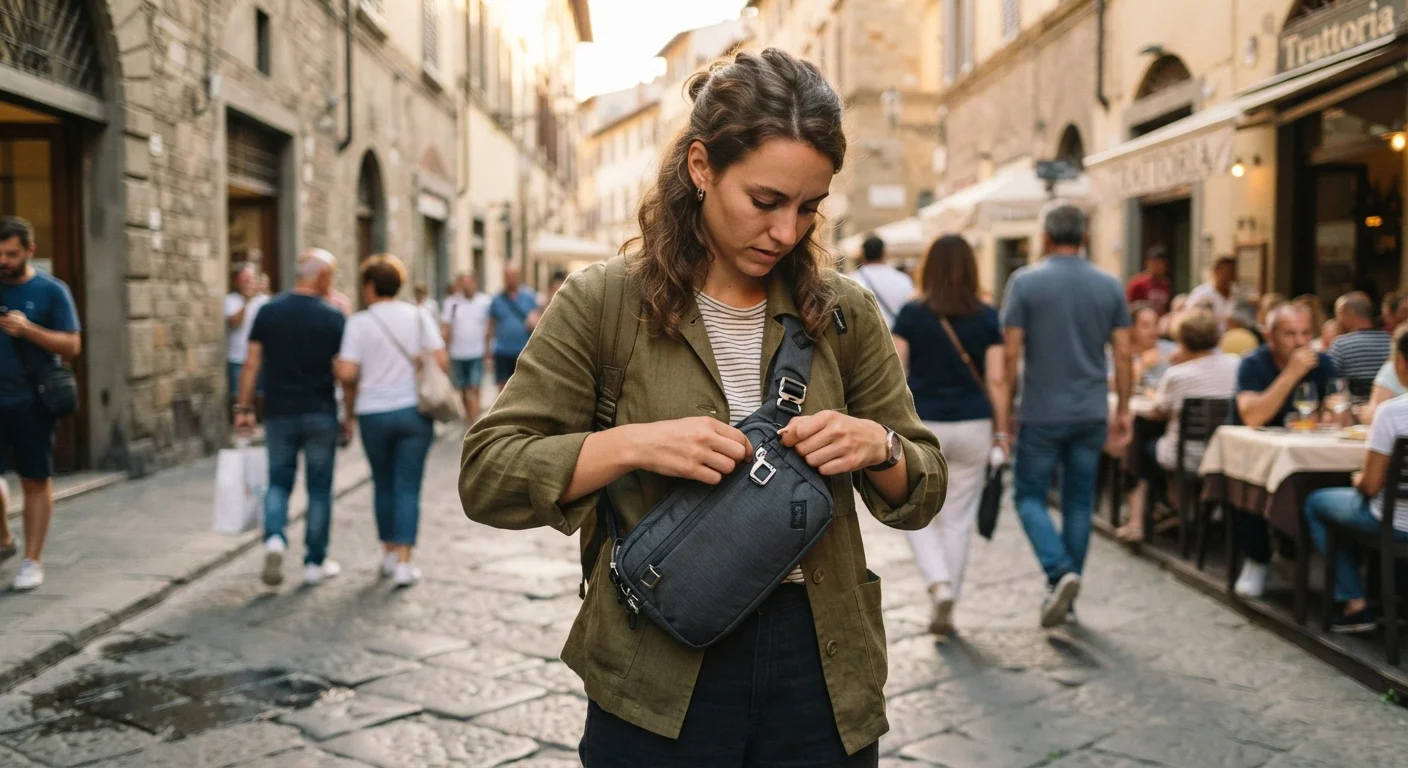
Zipper locks may slow down an amateur, but experienced thieves carry small blades and routinely slash bag fabric rather than engaging with locks at all. The lock signals that something valuable is inside without meaningfully preventing access. A bag worn across the body and kept in front of you, or a pack worn on the chest in high-risk areas, offers far more practical protection than any lock on the zipper.
Myth
Hotel room safes are completely secure for storing valuables.
Fact
In-room safes offer a reasonable layer of deterrence but are not impenetrable and should not hold all your critical items.
Most hotel room safes use standard electronic keypads with manufacturer override codes that are widely known in the hospitality industry. They are bolted - sometimes loosely - to a shelf or cabinet. For most travelers, using the safe for a second credit card or a tablet is sensible; treating it as a bank vault is not. Your passport, primary payment card, and travel insurance information are better distributed across your person and a locked main bag rather than consolidated in one location.
Myth
Expensive-looking gear signals wealth and makes you a target - always dress down.
Fact
Behavioral cues - phone handling, map confusion, distraction - draw more attention from opportunistic thieves than clothing or gear brands.
While flashing high-end jewelry in certain environments is genuinely inadvisable, research into pickpocket behavior consistently shows that opportunistic thieves prioritize ease of access over apparent wealth. A traveler who is distracted, fumbling with a phone, or visibly disoriented is a higher-value target than one who is alert and moving with purpose - regardless of what they're wearing. Confidence and situational awareness are more protective than a deliberate effort to look low-income.
Myth
Travel insurance covers everything stolen on your trip.
Fact
Travel insurance theft coverage varies widely by policy and almost always includes exclusions, deductibles, and documentation requirements.
Most travel insurance policies cap reimbursement for electronics and cash at amounts far below their replacement value, and many exclude items left unattended in a public space - which covers a surprising number of theft scenarios. Filing a successful claim typically requires a police report filed within a specified window, original receipts for items, and detailed documentation. Reading your policy's theft provisions before departure, not after a loss, is essential. Treat insurance as a partial safety net, not a substitute for physical precautions. For more on avoiding planning errors that compound these risks, see our article on travel planning myths.
Myth
Busy tourist areas are the most dangerous - avoid them.
Fact
High tourist density means high pickpocket activity, but avoidance is neither practical nor necessarily safer than prepared engagement.
Major tourist sites concentrate both visitors and opportunists, but they are also heavily monitored by local police in most destinations. The issue isn't the location - it's unpreparedness. A traveler who visits a busy market with valuables secured against the body and cash limited to spending money is at far lower risk than one who avoids tourist areas but keeps their wallet in a back pocket everywhere else. Preparation beats avoidance as a strategy.
Practical Habits That Consistently Reduce Risk
Beyond debunking myths, a handful of consistent behaviors make a measurable difference in protecting your belongings - regardless of destination.
- Distribute your assets. Never keep all cards, cash, and your passport in the same bag or pocket. If one item is lost or taken, you retain access to the others.
- Use a money belt or hidden pouch for your primary stash. Worn against the body under clothing, these are genuinely inconvenient for a pickpocket to access. Carry only the day's spending cash in an accessible pocket.
- Store a digital backup of key documents. Photographs of your passport, travel insurance card, and credit card numbers (stored in an encrypted app or a private cloud folder) can dramatically speed up the recovery process after a loss. For guidance on keeping that data secure while connected, our digital security on the road guide is worth reviewing before departure.
- Be situationally aware in crowds. Busy transit hubs, markets, and tourist sites are high-opportunity environments for opportunistic theft. Keeping your bag in front of you and staying off your phone in dense crowds is straightforward but effective.
- Notify your bank and set card alerts. While not a theft prevention measure, immediate notification of an unauthorized transaction limits financial damage. Our pre-trip financial checklist covers this and other financial prep steps in detail.
Don't Rely on a Single Security Method
No single product, habit, or strategy eliminates theft risk entirely. Travelers who depend on one precaution - a padlock, an in-room safe, or a specific bag - often become complacent about other vulnerabilities. Layering multiple low-friction habits (distributing valuables, staying alert, carrying minimal cash) consistently outperforms any single solution. Periodically reassess your setup as your itinerary changes - a beach day carries different risks than a crowded transit hub.
Solo travelers face particular exposure because there is no travel companion to watch bags during a bathroom break or flag suspicious behavior. The solo travel safety guide addresses these dynamics specifically.