

Key Takeaways
Native Plants
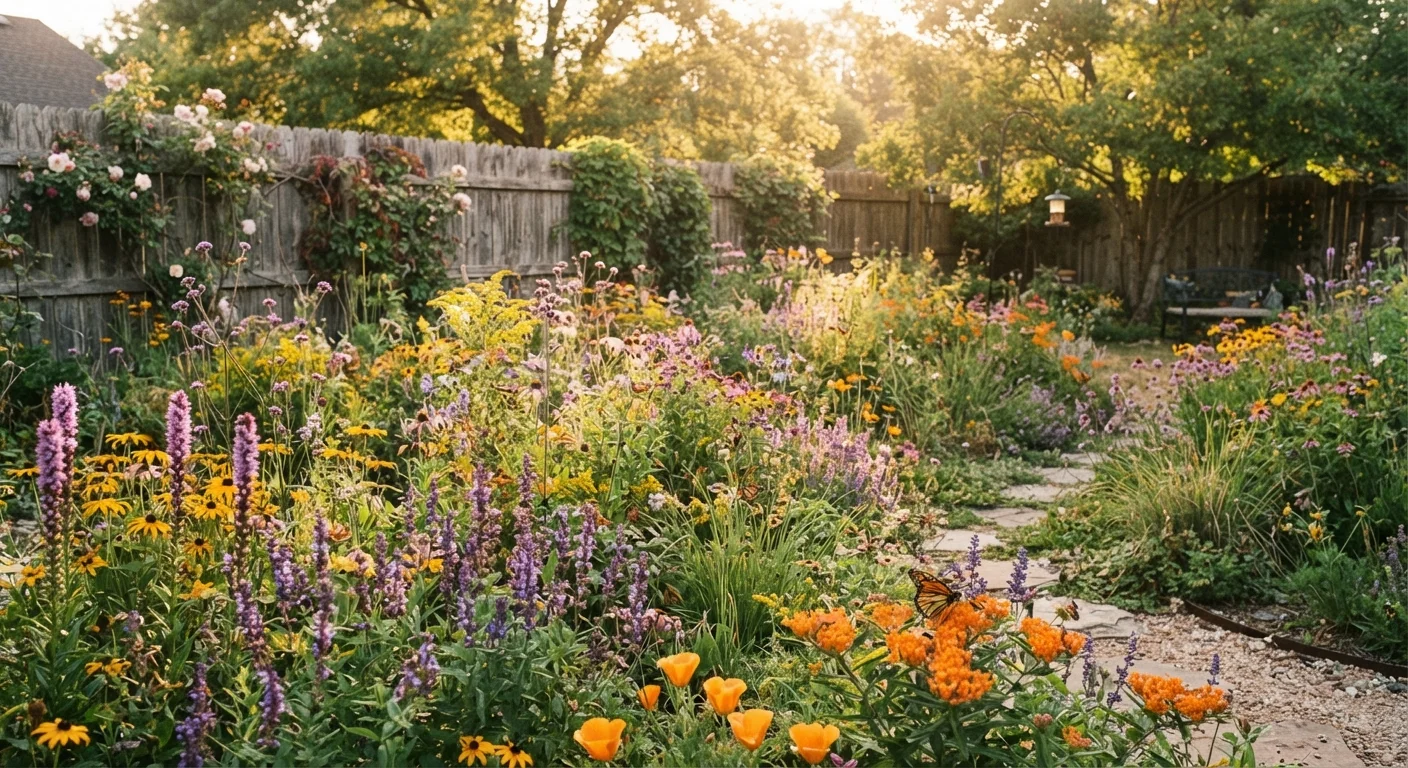
Native plants are species that occur naturally in a specific region without human introduction - they evolved in that place over thousands of years. Because they developed alongside local soils, rainfall patterns, insects, and wildlife, they're inherently adapted to those conditions. This typically means less supplemental watering, fewer fertilizers, and reduced need for pesticides compared to non-native ornamentals.
"Native" is defined relative to a specific geographic region, not the country as a whole - a plant native to the Pacific Northwest may be non-native (and potentially invasive) in the Southeast.
What Makes a Plant "Native" - and Why It Matters
A plant earns the label "native" when it has evolved naturally in a specific region over a long period - not when it simply grows well there. That distinction matters. Native species developed relationships with local soil chemistry, precipitation cycles, temperature swings, and other organisms. An oak tree native to the Mid-Atlantic didn't just survive those conditions; it shaped them, and local insects, birds, and fungi shaped it in return.
Non-native ornamentals, by contrast, were often selected for visual traits - flower color, compact size, disease resistance - without regard for ecological fit. Some thrive and cause no harm. Others escape garden beds and crowd out the native plants that local wildlife depends on.
Understanding this distinction is the foundation of any honest conversation about landscaping choices. It also connects directly to questions about water use - something common watering mistakes often compound when gardeners try to keep non-adapted plants alive in the wrong conditions.
The Ecological Case for Going Native
The argument for native plants isn't purely aesthetic or nostalgic. It rests on a body of ecological research showing that native species support local food webs in ways that exotic plants typically cannot.
70%+
More native bee species supported by native vs. exotic plants
Research by entomologist Doug Tallamy and colleagues found that native oak trees alone support over 500 species of native caterpillars, compared to just a handful for many common exotic ornamentals.
50-75%
Potential reduction in landscape water use
According to the US Environmental Protection Agency, landscaping accounts for nearly one-third of residential water use, and native plantings can substantially reduce that demand in many US climate zones.
40 million
Acres of lawn in the United States
The US EPA estimates turf grass covers roughly 40 million acres nationally - a figure that highlights how widespread conversion to native plantings, even partially, could have meaningful ecological impact.
Native plants tend to host far more native insect species than exotic ornamentals - including the specialist insects that many bird species depend on to feed their young. A landscape full of non-native plants can look alive without actually functioning as habitat. This "ecological trap" is one reason wildlife advocates increasingly encourage homeowners to rethink even tidy, well-maintained lawns.
Pollinators are a particularly clear case. Many native bees have co-evolved with specific plant genera and rely on them for pollen and nesting material. Replacing those plants with showy exotics - even flowering ones - can quietly reduce pollinator populations in a neighborhood over time.
These principles apply at a surprisingly small scale. Even a modest front yard or side strip planted with regionally native species can contribute meaningfully to local insect and bird populations.
Practical Differences: Native vs. Non-Native in Your Yard
For everyday gardeners, the most immediate difference between native and non-native plants shows up in how much work they require - especially once established.
Because native plants are adapted to local rainfall patterns, many need little to no supplemental irrigation beyond their first couple of growing seasons. This is a meaningful contrast to water-demanding exotic ornamentals and turf grasses that need consistent irrigation to survive summers in much of the US. Pairing native plants with sound mulching practices further reduces water loss and suppresses weeds around them.
Native plants are also generally less vulnerable to the pests and diseases common in their region, having evolved defenses alongside local pressures. This doesn't mean they're problem-free, but many gardeners find they reach for pesticides and fertilizers far less often in a native-focused yard.
That said, natives aren't a hands-off solution from day one. Establishment takes patience and consistent care. And sourcing matters: plants should be native to your specific region, not just sold as "native" in a general sense. Always verify with your state's cooperative extension service or a local native plant society.
If you're exploring broader landscaping strategies that reduce ongoing effort, low-maintenance landscaping approaches can complement a native plant transition effectively.
How to Start Shifting Toward Native Plantings
Rethinking an established landscape doesn't have to mean starting over. Most gardeners begin incrementally - replacing one section at a time, experimenting with a few native species before committing to a full redesign.
A reasonable starting point is identifying one or two areas of your yard that currently require the most maintenance or water. These are natural candidates for native replacements. Research which species are genuinely native to your county or ecoregion (not just your state), and look for locally grown plants rather than those shipped from distant nurseries, which may be adapted to different microclimates.
It also helps to separate gardening myths from evidence as you plan. Some widely repeated assumptions about soil prep, fertilization, and spacing don't serve native plants well and can actually hinder establishment.
Consider thinking about plant communities rather than individual specimens. Native plants often perform best when grouped with others they naturally co-exist with - a concept that overlaps with evidence-backed companion planting principles. This approach also tends to create a more visually cohesive look that reads as intentional rather than haphazard.
Start Small and Observe
You don't need to overhaul your entire yard at once. Plant a small native bed or border in one section and observe how local insects and birds respond over a full growing season. That direct feedback - watching a native bee visit a plant you put in the ground - is often what motivates gardeners to expand further.
The shift toward native plants is ultimately about working with your local environment rather than against it - a change in approach that tends to reduce effort and increase resilience over time.